Okay friends, let’s be real for a second. 👋
We’ve all been there. You crush a leg day, or maybe you just sat at your desk for way too long, and your muscles feel like concrete. You know you need to roll it out, but then you stare at the fitness aisle and see those fancy vibrating rollers next to the basic styrofoam ones. And the price difference? Insane. 💸
Is the buzzing one really worth it? Or is it just a gimmick to make us broke? I’ve spent way too much time testing both, and I’m here to spill the tea. No fluff, just real talk. Let’s dive into the showdown.
【The Basics: What Are We Looking At?】 🧐
First, let’s set the stage. We aren’t talking about massage guns or lacrosse balls today. We are strictly looking at the long tubes we torture ourselves on.
1️⃣ The Regular Foam Roller. This is the OG. It’s usually made of foam, sometimes harder plastic with a foam layer. It relies entirely on your body weight and gravity to work. You move back and forth, and it smashes your tissues. Simple. Old school. 🏫
2️⃣ The Vibrating Foam Roller. This looks like the regular one’s cooler, older cousin. It has a motor inside that vibrates at different speeds. It claims to boost blood flow, distract your brain from pain, and loosen you up faster. It’s battery-powered and usually costs as much as a nice dinner out. 🍽️
So, how do we judge them? We need a standard. It’s not just about which one feels cooler. We need to look at:
· Effectiveness (Does it actually work?)
· Pain Tolerance (Can I survive it?)
· Portability (Can I fit it in my gym bag?)
· Price (Is my wallet crying?)
· Durability (Will it break in a month?)
【The Showdown: Regular vs. Vibrating】 🥊
Let’s break this down, piece by piece.
1. The “Ouch” Factor
This is the biggest one, right? We all know foam rolling hurts. It’s that “hurts so good” feeling.
· Regular Roller: You are in control here. The deeper you lean, the more it hurts. If you hit a trigger point, you might actually scream. It’s pure pressure. Sometimes, your muscles just guard up and fight back because it hurts so much. 😫
· Vibrating Roller: This is where the magic happens. The vibration acts like a distraction. It’s called “Gate Control Theory” in fancy terms, but basically, your brain is busy feeling the buzz instead of the deep tissue pain. It feels more like a massage than a torture session. If you have a low pain threshold, this is a game changer.
2. Depth and Pressure
People think the regular one goes deeper. Not necessarily true.
· Regular Roller: Because it’s static, you can really dig in. It’s great for big muscle groups like quads and lats. But for smaller, sensitive areas? It can be too aggressive.
· Vibrating Roller: The vibration helps relax the muscle before you even apply pressure. When the muscle is relaxed, you can actually get deeper without the fighting. It’s like tricking your muscles into letting go. Sneaky, but effective. 🧠
3. Blood Flow and Warm-up
Getting blood moving is key for recovery.
· Regular Roller: It does increase circulation, but mostly by mechanical compression. You have to work for it.
· Vibrating Roller: The vibration literally shakes things up. It boosts localized blood flow almost immediately. It’s amazing for a quick warm-up before a run. You spend 2 minutes rolling, and you feel “awake.” ⚡
4. The Price Tag
Okay, we can’t ignore the cost.
· Regular Roller: You can get a decent high-density one for like $20. Even the fancy textured ones are under $50. It’s a no-brainer investment.
· Vibrating Roller: These start around $100 and can go up to $300. That’s a lot of money for something you might leave in the corner of your room. 💸
5. The Annoying Stuff
Nobody talks about the downsides, but I will.
· Regular Roller: It can slip on hardwood floors. It can start to smell if you sweat a lot on it. If you’re heavy, it might deform over time.
· Vibrating Roller: It’s HEAVY. Great for a workout, annoying to travel with. Also, the noise. 📢 If you live with roommates or have sleeping kids, a buzzing roller at 11 PM might get you kicked out of the house. And don’t forget… it needs charging. There is nothing worse than grabbing it, turning it on, and hearing a sad “beep” because it’s dead.
【Who Needs What? Matching the Tool to You】 🧩
Let’s be real. Different people have different needs. Here is my honest take on who should buy what.
✅ Stick to the Regular Roller if:
· You are on a budget. $20 vs $200 is huge.
· You travel a lot. The hollow ones can be stuffed with clothes!
· You like deep, intense pressure and don’t mind the pain.
· You are a minimalist. No charging, no motors, just you and the foam.
· You mostly roll big muscles (legs, back).
✅ Go for the Vibrating Roller if:
· You hate pain. Like, you really struggle to get through a rolling session.
· You have a sedentary job and get stiff constantly. The quick warm-up is life-saving.
· You are rehabbing an injury (ask your doc first!). The gentle vibration is safer than aggressive smashing.
· You have the disposable income. Treat yourself! 🎁
· You want that “spa” feeling at home.
【My Unfiltered Experience】 🙋♀️
I’ve used both. A lot.
I started with a basic black roller from Target. It hurt. I dreaded using it. I would skip rest days because I didn’t want to get on it. That’s bad. If you don’t use it, it’s worthless, even if it was only $15.
Then I splurged on a vibrating one during a Black Friday sale. 🛍️
Did it fix my life? Not entirely. But guess what? I actually used it. I kept it next to the couch. While watching Netflix, I’d roll my calves. The buzz felt good. It wasn’t a chore.
But, the battery life on mine is mediocre. And it’s heavy. When I go to the gym, I grab the regular one because I don’t want to carry the brick.
So, what’s the verdict? The vibrating one gets used more at home. The regular one is my gym companion.
【How to Choose: The Decision Framework】 🤔
Still stuck? Ask yourself these three questions. Be honest!
1️⃣ Does pain stop you from rolling?
· Yes -> Get the vibrating one. Seriously. If you don’t roll because it hurts, the cheap one is a waste of money.
· No -> Save your cash. Get a high-density regular roller.
2️⃣ Where will you use it?
· Home gym / Living room -> Vibrating is fine. Who cares about the noise?
· Commercial gym / Travel -> Regular is better. Lighter and indestructible.
3️⃣ What’s your goal?
· Warm-up / Relaxation / Light stiffness -> Vibrating wins.
· Deep tissue work / Breaking up scar tissue / Myofascial release -> Regular (or a very stiff vibrating one) wins.
【Final Verdict: The Real Talk】 📢
Let’s cut to the chase. I’m not here to tell you to spend $300. Most people do NOT need a vibrating foam roller. 🙅♀️
A high-density regular roller is 90% as effective for 10% of the price. If you are willing to put in the work and handle the discomfort, the regular one is the king. It’s simple, durable, and effective.
BUT…
If you have the budget, and you know you’re someone who quits on self-care because it’s uncomfortable or boring, the vibrating roller is worth it. It turns a painful chore into a relaxing ritual. And that consistency? That’s where the real recovery happens. ✨
Don’t overthink it. Just pick one and start rolling. Your legs will thank you tomorrow.
Okay, your turn! 👇
Are you Team Regular or Team Vibrating? Or are you still using a rolling pin from the kitchen (don’t worry, I’ve been there). Let me know in the comments what works for you! 👇👇👇
Author: admin_a3
-
Vibrating vs Regular Foam Rollers for Recovery
-
Trigger Point Therapy for Tech Neck Relief at Home
Setting the Stage for Relief
Creating the right environment for self-myofascial release is not merely about clearing space on the floor; it is about constructing a sanctuary where the nervous system feels safe enough to let go. The modern ailment known colloquially as “tech neck” is not just a mechanical misalignment of the cervical spine but a physiological state of high alert, where the levator scapulae and upper trapezius muscles are locked in a perpetual battle against gravity and the forward gaze of digital consumption. Before a finger or tool ever touches the skin, one must curate the immediate surroundings to minimize external arousal. This means dimming harsh overhead lights, perhaps stepping away from the very screens that caused the distress, and ensuring the ambient temperature is warm enough to keep the muscles from tensing in defense.
Tools play a pivotal role, yet they need not be elaborate. While high-tech percussion massage guns and heated neck wraps have their place, the most fundamental instrument for trigger point therapy remains simple, unyielding pressure. A lacrosse ball is often superior to a tennis ball for this specific endeavor; the latter compresses too easily, absorbing the force meant for the muscle belly. However, for those new to the intensity of ischemic pressure, a tennis ball or a specialized therapy ball with slight give might serve as a necessary intermediary. The wall serves as the primary constraint, providing a stable surface against which the body can leverage its own weight. If floor work is preferred—particularly for accessing the deeper suboccipital muscles at the base of the skull—a yoga mat is essential to cushion the bony prominences of the spine and hips, allowing the focus to remain entirely on the target tissue rather than the hardness of the floor.Executing the Release Protocol
The approach to releasing tech neck requires a strategic mapping of the musculature, moving from the global movers to the local stabilizers. The Upper Trapezius, often the most visibly hypertrophied muscle in office workers, acts as the first line of defense against the weight of the head. To address this, stand with your back against a wall, placing the therapy ball on the superior aspect of the shoulder, just lateral to the bony process of the spine. The goal here is not to simply roll back and forth indiscriminately, which serves only to bruise the tissue, but to “pin and stretch.” Once a tender point is located—often described as feeling like a taut band or a pea under the skin—maintain sustained pressure for 30 to 90 seconds. As the discomfort begins to subside, slowly rotate the head away from the side being treated to actively lengthen the muscle fibers, engaging the mechanoreceptors to signal a shift in tone.
Moving deeper, the Levator Scapulae, the muscle responsible for shrugging and rotating the neck, frequently harbors trigger points that refer pain to the angle of the neck and even down the medial border of the shoulder blade. Accessing this requires a modification of position. Shift the ball slightly higher and closer to the neck, roughly one to two inches out from the spine. The pressure here often evokes a sharper, more electric sensation, indicative of a more active trigger point. While maintaining the pressure against the wall, incorporate small, micro-movements of the head, looking up and down or side to side, to floss the muscle fibers underneath the ball. This dynamic friction helps to break up the adhesions between the fascial layers that have become glued together through hours of static posture.
Finally, the Suboccipital group—the small muscles at the base of the skull that control fine head movements—requires a shift to the supine position. Lie on your back with knees bent, placing the ball at the base of the skull. The sensation here can be intense, often radiating sensation towards the eye or ear, a classic referral pattern for these muscles. Instead of rolling, the focus is on subtle traction. Gently rock the head from side to side, allowing the weight of the head to sink into the ball, effectively creating space between the occiput and the first cervical vertebra (the atlas). This decompression is crucial for relieving the tension headache component that so often accompanies tech neck.Mastering the Nuances of Pressure
Understanding the distinction between “good pain” and “bad pain” is the critical variable that separates effective therapy from injury. The discomfort experienced during trigger point therapy should fall within a 6 or 7 on a scale of 10—a sensation that is palpable and somewhat uncomfortable, yet tolerable enough to allow the breath to remain slow and steady. If the body instinctively braces, holding the breath or contracting other muscles to guard against the sensation, the pressure is too aggressive, and the nervous system will paradoxically tighten the muscle further to protect it. The autonomic response must be considered; one cannot force a muscle to relax. The release is a negotiation, not a conquest.
Breathing mechanics are inextricably linked to the efficacy of this work. Diaphragmatic breathing acts as a remote control for the parasympathetic nervous system. As pressure is applied to a trigger point, the natural tendency is to breathe shallowly into the chest. Consciously overriding this urge by directing the breath deep into the belly, extending the exhale longer than the inhale, sends a biochemical signal of safety to the brain. This shift in blood chemistry, specifically the reduction of cortisol and increase in carbon dioxide tolerance, lowers the resting tone of the muscle, allowing the ischemic pressure to effectively starve the trigger point of oxygen and force a metabolic reset. It is this combination of mechanical force and biochemical signaling that yields lasting release.
Furthermore, the duration of pressure is a variable that must be respected. The “two-minute rule” is a prudent guideline. Spending excessive time on a single point can lead to localized inflammation and bruising of the periosteum if the ball slips onto bone. The goal is to elicit a “twitch response” or a sensation of the muscle melting under the ball. Once this change is felt, it is time to move on. Continuing to work on an area that has already released provides diminishing returns and increases the risk of tissue damage. Listening to the subtle feedback loops of the body is more important than adhering to a rigid timer.Troubleshooting Common Pitfalls
Despite the best intentions, self-treatment can sometimes exacerbate symptoms if not executed with precision. A common error is treating the cervical spine directly with high-impact tools like percussion massagers. The vertebrae in the neck are small and house vital vascular structures and nerves; applying blunt force to the spine itself is contraindicated. The focus must always remain on the soft tissue—the muscles—rather than the skeletal framework. If dizziness, nausea, or radiating numbness in the arms occurs during the session, it is a sign to stop immediately. Dizziness, particularly when working the suboccipital region, can indicate stimulation of the vestibular apparatus or compression of the vertebral artery, requiring immediate cessation of pressure and a return to a neutral posture.
Another frequent issue is the “rebound effect,” where the neck feels tighter an hour after the session. This phenomenon usually suggests that the work was too aggressive or that the area was inflamed prior to treatment. In such cases, the application of heat post-therapy becomes essential. A heating pad or a warm shower can help to flush out the metabolic byproducts released from the trigger point and soothe the neural irritation. Conversely, if ice is preferred, it should be used only if the area feels hot or swollen to the touch, as ice can drive muscle tension deeper if applied to a chronically tight, cold muscle.
Users may also struggle to locate the actual trigger point, confusing general muscle soreness with a specific knot. A true trigger point will refer pain—that is, applying pressure to the shoulder will cause pain in the head or arm. If the pain is only felt directly under the fingers or the ball, it is likely just a tender muscle belly, not a trigger point. In these instances, broad, sweeping strokes using a foam roller or the hands may be more beneficial than isolated point pressure. The key is to hunt for the spot that “hurts so good,” the epicenter of the dysfunction, rather than grinding down the entire muscle group indiscriminately.Gauging Progress and Future-Proofing
Evaluating the success of a trigger point therapy session goes beyond immediate pain relief; it involves measuring functional improvements in range of motion and posture. Before and after checks serve as tangible metrics. Simply turning the head to look over the shoulder or tucking the chin to the chest can reveal the extent of restriction. A successful intervention often results in an immediate feeling of lightness in the head, as if a heavy helmet has been removed, and a noticeable increase in the ease of movement. However, these gains are temporary if the underlying cause—the forward head posture—is not addressed.
Long-term relief requires a commitment to ergonomic hygiene. The most sophisticated trigger point therapy cannot compete with eight hours a day of slumping. The workstation must be reorganized so that the top third of the monitor screen is at eye level, preventing the downward gaze that shortens the suboccipitals. Regular movement breaks, often referred to as “micro-breaks,” are non-negotiable. The human body is not designed for static stillness; standing up every 20 minutes to reset the shoulder blades and retract the chin interrupts the feedback loop of tension before it solidifies into a knot.
Ultimately, trigger point therapy for tech neck is a management strategy, not a one-time cure. It is a dialogue with a body that is struggling to adapt to the demands of the digital age. By integrating these manual techniques with conscious posture correction and environmental adjustments, one can dismantle the cycle of pain. The objective is to reclaim the mobility of the neck, ensuring that technology serves the user rather than enslaving their musculature to a permanent state of flexion. Consistency trumps intensity; a few minutes of mindful release every other day is far more effective than an hour of torture once a month. -
Top Recovery Tools For Runners With Sore Legs
Defining Post-Run Recovery and Its Core Elements
When we talk about recovery in the context of running, it is not merely about stopping the activity or sitting on the couch. It refers to a complex physiological process where the body repairs itself from the stress induced by physical exertion. The core elements of this process include rest, nutritional replenishment, and active physical interventions. For runners, the legs bear the brunt of the impact, making the restoration of muscle fibers and the clearance of metabolic byproducts essential.
Understanding recovery requires looking at it as a proactive rather than a reactive measure. It is a structured approach that involves various modalities to ensure the musculoskeletal system returns to a state of homeostasis. Without paying attention to these core elements, the risk of injury increases significantly, and performance gains may stagnate. The shift from simply resting to actively recovering is what distinguishes a casual jogger from a serious athlete who understands the longevity of their running career.Deep Analysis of Mechanisms and Working Principles
To truly appreciate why recovery tools are effective, one must look under the hood at the mechanisms of muscle soreness and repair. The sensation of soreness, often referred to as Delayed Onset Muscle Soreness (DOMS), is primarily caused by microscopic tears in the muscle fibers. This damage triggers an inflammatory response, which is actually the body’s way of initiating the repair process. The working principle of most recovery tools is to either enhance blood flow to the affected area or to manipulate the soft tissue to speed up this natural healing cycle.
Percussion therapy, for instance, utilizes rapid pulses to penetrate deep into the muscle tissue. This action is believed to desensitize the nerve pathways and improve circulation, thereby reducing the perception of pain. Similarly, techniques involving compression or pressure, such as foam rolling, work on the principle of myofascial release. By applying sustained pressure to specific points, these tools help to break up adhesions and scar tissue that form between muscle layers. The mechanism here is not just about temporary relief but about restoring the sliding function of fascial tissues, which is crucial for fluid movement.
Heat therapy operates on a different yet complementary principle. By applying thermal energy, the blood vessels dilate, leading to increased blood flow. This brings more oxygen and nutrients to the muscles while carrying away waste products like lactic acid. The soothing effect of heat also reduces muscle guarding and spasms. Understanding these mechanisms helps in selecting the right tool for the specific type of discomfort one is experiencing, whether it is deep tissue trauma or surface-level tension.Identifying Key Characteristics and Establishing Selection Criteria
With the market flooded with various gadgets, identifying the key characteristics of an effective recovery tool becomes paramount. The primary characteristic to look for is the ability to target the specific area of concern. For leg soreness, a tool with a broad surface area might be beneficial for large muscle groups like the quads, while a tool with a concentrated tip is necessary for trigger points in the calves.
Another critical characteristic is adjustability. A device that offers variable intensity levels allows for a more personalized recovery session. The human body’s tolerance to pressure and percussion changes daily, so the ability to dial down or ramp up the intensity is a significant advantage. Portability and ease of use also play a role, as consistency is key in any recovery routine. If a tool is too cumbersome to set up, it is likely to gather dust.
Establishing selection criteria involves weighing these characteristics against one’s specific needs. For instance, a runner who travels frequently might prioritize a compact massage gun over a bulky heating pad. Alternatively, someone dealing with chronic lumbar strain might look for a TENS unit with specific electrode placements for the lower back. The criteria should also include safety features, such as automatic shut-off timers and pressure sensors, to prevent overuse injuries which can ironically occur from using recovery tools incorrectly.Analysis of Practical Application Scenarios and Value
The true value of recovery tools is realized in their practical application within a runner’s daily routine. For immediate relief after a long run, percussion massagers are often the go-to choice. The rapid bursts of pressure help to quiet down the excitability of the nervous system, providing a quick reduction in pain signals. This is particularly useful for the lower back and legs, which often bear the cumulative load of miles on the road.
Foam rolling routines serve a slightly different purpose. They are best utilized as a part of a cool-down process to maintain muscle elasticity. When comparing a vibrating foam roller to a regular one, the former adds an extra dimension of sensory stimulation that can further enhance relaxation and blood flow. This routine is essential for preventing the stiffness that typically sets in a few hours post-exercise.
For specific, stubborn knots, trigger point therapy using smaller tools like lacrosse balls or peanut balls is highly effective. These tools allow for precise targeting of tight spots, such as the piriformis or the thoracic spine. The application of a peanut ball for thoracic mobility, for example, involves lying on the device and gently moving the spine to extend and open up the chest area. This scenario highlights the value of simple, low-tech tools in solving complex mobility issues.
In cases of chronic pain or stiffness, such as sciatica or persistent neck tension, different modalities come into play. TENS units have shown value in managing pain by disrupting pain signals before they reach the brain. Proper placement of the electrodes is crucial here, especially for conditions like neck and shoulder stiffness. Similarly, heating pads provide immense value for chronic lumbar strain by keeping the tissues loose and pliable over extended periods.
The application of these tools extends beyond just the legs. Runners often hold tension in their upper bodies, leading to tech neck or tight traps. Using a neck massager or even a hand massager for carpal tunnel relief can address these compensatory issues. Even acupressure mats find their place by promoting overall relaxation and stress reduction, which indirectly benefits recovery by improving sleep quality. The cumulative value of these tools is a more resilient body that can handle higher training loads without breaking down.Clarifying Common Misconceptions and Advanced Learning Paths
Despite the availability of these tools, several misconceptions persist that can hinder their effectiveness. One of the most common myths is that “no pain, no gain” applies to recovery. While some discomfort is normal when releasing tight muscles, excruciating pain is usually a sign that the technique is too aggressive or incorrect. Using a massage gun on a bone or a nerve, for instance, can cause more harm than good. It is vital to understand that recovery is about facilitating healing, not inflicting trauma.
Another misconception is that these tools can replace proper warm-ups or medical treatment. While acupressure mats or neck massagers can alleviate tension headaches, they are not cures for underlying structural issues. Similarly, relying solely on blue light glasses for eye strain without taking breaks from the screen is only a partial solution. Recovery tools are supportive aids, not magic wands.
For those looking to advance their knowledge, the path involves learning how to integrate these tools into a comprehensive lifestyle plan. This includes understanding the timing of use, such as when to apply heat versus ice, and how to combine different modalities like static stretching with percussion therapy. Advanced learning also involves listening to the body’s feedback loops and adjusting the recovery protocol accordingly. By moving beyond the basic usage instructions and exploring the nuanced applications of these devices, runners can significantly enhance their performance and overall well-being. -
Effective Hand Massager Routines For Carpal Tunnel Relief
Defining Carpal Tunnel and the Role of Massage
I. Understanding the condition and the tool
(1) What Carpal Tunnel Syndrome actually entails
When we talk about Carpal Tunnel Syndrome, or CTS, we are looking at a condition that stems from the compression of the median nerve. This specific nerve travels down the arm and into the hand, passing through a narrow passage in the wrist known as the carpal tunnel. When this tunnel gets constricted or the tissues inside it swell, the nerve gets pinched. The result is usually a combination of numbness, tingling, and pain that tends to show up in the thumb and the first three fingers. It is not just a simple ache. It is a neurological signal that something is being squeezed too tight in the wrist.
(2) The function of a hand massager in this context
A hand massager serves as a mechanized tool designed to manipulate the soft tissues of the hand and wrist. Unlike a simple rub, these devices often use a combination of air compression, heat, and vibration. The primary goal here is not merely relaxation. In the context of carpal tunnel, the device is used to promote blood flow and reduce the tension in the muscles surrounding the median nerve. By addressing the muscle tightness, the pressure on the nerve can potentially be alleviated. It acts as a non-invasive method to manage the symptoms that come with repetitive strain.
II. Core components of the therapy
(1) Air compression technology
One of the most common features found in these devices is air compression. This works by inflating airbags built into the sleeve of the massager. These bags squeeze the hand and wrist in a rhythmic fashion. Think of it as a blood pressure cuff for the entire hand. This rhythmic squeezing helps to push stagnant fluid out of the area and allows fresh, oxygenated blood to circulate back in. For someone suffering from the swelling associated with CTS, this mechanism can be quite effective in reducing edema.
(2) Heat application
Heat is another critical element. Many of these units come with a heating function. The application of warmth to the wrist area helps to loosen up stiff muscles and tendons. When the tissues are warm, they become more pliable. This pliability allows the massage to work deeper into the muscle fibers without causing as much discomfort. The heat also encourages vasodilation, which is the widening of blood vessels, further aiding in the reduction of pressure around the nerve.How Massage Mechanisms Work on Wrist Pain
I. The physiological response to pressure
(1) Improving circulation
The fundamental principle behind using a massager for wrist pain is the enhancement of circulation. When the muscles in the forearm and wrist are overused, they tend to tighten up. This tightening restricts blood flow. By using a massager, the mechanical action forces the muscles to contract and relax rapidly. This action acts as a pump for the vascular system. It ensures that metabolic waste products, which often accumulate in fatigued muscles, are flushed out more efficiently. At the same time, it brings in the nutrients necessary for tissue repair.
(2) Disrupting pain signals
There is also a neurological aspect to consider. Pain signals travel through the nervous system to the brain. However, the sensation of touch and vibration travels on faster, larger nerve fibers. When a massager applies vibration or pressure to the area, these pleasurable or neutral sensations reach the brain before the pain signals do. This phenomenon is often referred to as the “Gate Control Theory” of pain. The vibrational input essentially closes the gate on the pain signals, providing temporary relief from the discomfort of carpal tunnel syndrome.
II. Impact on the fascia and connective tissue
(1) Releasing myofascial tension
The connective tissue, or fascia, that surrounds the muscles can become tight and adhered due to repetitive motions like typing. This tightness can contribute to the constriction of the carpal tunnel. A hand massager, especially one with deep kneading capabilities, works to stretch and smooth out this fascia. By breaking up the adhesions, the tissues can glide over each other more freely. This reduces the overall tension in the forearm and wrist, which in turn decreases the mechanical pressure on the median nerve.
(2) Promoting synovial fluid movement
Joints rely on synovial fluid for lubrication. Movement and pressure help to circulate this fluid within the joint capsules. The mechanical action of the massager stimulates the production and distribution of this fluid. Better lubrication means less friction within the wrist joint. For someone dealing with the stiffness that often accompanies carpal tunnel, this improved joint mobility can make a significant difference in daily comfort levels.Criteria for Selecting the Right Device
I. Identifying essential features
(1) Adjustable intensity levels
Not all hands are the same, and neither is the pain tolerance of every individual. A critical feature to look for is adjustability. The device should offer a range of intensity settings. For a person in the acute phase of carpal tunnel pain, a gentle setting is necessary to avoid aggravating the condition. As the condition improves or for those using it for prevention, higher intensities may be required to penetrate deeper muscle layers. The ability to fine-tune this pressure ensures the massager remains a useful tool rather than a source of further pain.
(2) Specific focus on the wrist area
While many massagers are designed for the entire hand, carpal tunnel specifically affects the wrist. It is important to choose a device that does not neglect the wrist joint. Some units focus solely on the palm and fingers. A superior device for this specific condition will have a dedicated mechanism or airbag that applies targeted pressure to the wrist area. This ensures that the site of the nerve compression is being directly addressed, rather than just treating the symptoms in the hand.
II. Evaluating usability and comfort
(1) Ergonomic design
Consider how the device is actually used. Many people will be using this while sitting at a desk or perhaps while watching TV. An ergonomic design that allows the hand to rest naturally is important. If the device is awkward to hold or requires the wrist to be bent at an odd angle to use it, it could defeat the purpose. The best massagers allow you to simply slip your hand in and relax without needing to hold the device in place.
(2) Portability and power source
For office workers who are the primary target for these devices, portability is key. A rechargeable battery is often preferable to a corded unit. It allows the user to move around freely or use the device in different settings without being tethered to a wall outlet. However, battery life must be sufficient to complete a full session. A unit that dies halfway through a routine is more frustrating than it is helpful.Practical Routines and Daily Applications
I. Establishing a daily regimen
(1) The morning warm-up
Starting the day with a gentle massage session can be highly beneficial. Overnight, fluid can accumulate in the hands, leading to stiffness upon waking. A five to ten-minute session using a gentle heat and low-intensity compression setting can help to wake up the muscles and joints. This prepares the hand for the day’s tasks and ensures that the blood is flowing before the repetitive motions of work begin. It acts as a preventative measure to stop the symptoms from flaring up early in the day.
(2) The work break intervention
For those who spend hours typing, taking short breaks is essential. A “micro-break” routine involving a hand massager can be very effective. This does not need to be a long session. Simply using the device for two or three minutes every couple of hours can interrupt the cycle of repetitive strain. During these breaks, the focus should be on relaxing the forearm muscles and opening up the wrist. This periodic relief prevents the muscles from entering a state of chronic hypertonicity, which is a major contributor to carpal tunnel pain.
II. Techniques for maximum relief
(1) Combining massage with stretching
While the massager is a powerful tool, it works best when combined with manual stretches. After using the device for five to ten minutes, the tissues are warm and pliable. This is the ideal time to perform gentle wrist and forearm stretches. For example, extending the arm with the palm facing down and gently pulling the fingers back toward the body can stretch the flexor muscles. Holding this stretch for thirty seconds after a massage session can significantly extend the benefits of the therapy.
(2) The evening wind-down
An end-of-day routine is perhaps the most important for recovery. After a full day of activity, the wrist is likely inflamed and fatigued. A longer session, perhaps fifteen to twenty minutes, using the heat function and a moderate intensity, can help to flush out the metabolic waste accumulated during the day. This session should be relaxing. It signals to the body that the work day is over and allows the nervous system to downregulate. Doing this right before bed can also improve sleep quality, as the pain is less likely to disturb the night.Navigating Myths and Advanced Care
I. Clarifying common misconceptions
(1) Massage as a cure versus management
One of the biggest misconceptions is that using a hand massager will cure carpal tunnel syndrome. It is vital to understand that massage is a management strategy, not a cure. If the underlying cause, such as a structural issue or severe inflammation, is not addressed, the symptoms will likely return. The massager is a tool to alleviate pain and improve quality of life, but it does not fix the anatomical narrowing of the carpal tunnel itself. Managing expectations is important to avoid disappointment.
(2) The “no pain, no gain” fallacy
Some individuals believe that for a massage to be effective, it has to hurt. This is dangerous when dealing with nerve compression. Applying excessive pressure to an already compressed nerve can worsen the inflammation and increase the pain. The goal is relief, not torture. If the massage causes sharp pain or numbness, the intensity is too high or the technique is wrong. A therapeutic session should feel like a deep, relieving pressure, never a sharp or shooting pain.
II. Integrating with broader health strategies
(1) Ergonomic adjustments
While the massager helps with the symptoms, the root cause often lies in the workspace setup. An ergonomic keyboard or a mouse pad with wrist support can drastically reduce the strain on the median nerve. Using the massager in conjunction with these ergonomic changes creates a comprehensive approach. One addresses the damage already done, while the other prevents new damage from occurring.
(2) Knowing when to seek professional help
Finally, it is important to recognize the limitations of self-care. If the use of a hand massager and lifestyle changes do not alleviate the symptoms after a few weeks, it may be time to see a doctor. Persistent numbness, muscle weakness, or loss of dexterity are signs that the nerve damage may be progressing. In such cases, professional medical intervention, such as physical therapy or possibly surgery, might be necessary. The massager is a first line of defense, but it is not the only line of defense. -
Do Heated Eye Massagers Really Work For Dry Eye Syndrome
Concept Definition of Dry Eye Syndrome and Thermal Devices
To really get a handle on whether heated eye massagers are effective, one first needs to grasp what dry eye syndrome actually entails. It is not simply a matter of the eyes feeling a bit parched. Clinically speaking, dry eye disease is a multifactorial disorder of the tear film and ocular surface that results in symptoms of discomfort, visual disturbance, and tear film instability with potential damage to the ocular surface. It is generally categorized into two main types, which are aqueous deficient and evaporative. While the former involves a lack of tear fluid production, the latter, which is significantly more common, is often caused by Meibomian Gland Dysfunction or MGD. The Meibomian glands are the tiny oil glands located within the eyelids, and their job is to secrete oils that prevent tears from evaporating too quickly. When these glands get blocked, the tear film breaks up rapidly, leading to that gritty, sandy sensation many people experience.
Enter the heated eye massager. This device is essentially a wearable gadget designed to combine thermal therapy with physical massage to alleviate ocular discomfort. Unlike simple warm compresses that you might apply with a washcloth, these devices are often shaped like a sleep mask or goggles and incorporate built-in heating elements, vibration motors, and sometimes air pressure systems. The core idea behind them is to deliver consistent, controllable heat to the eyelids while simultaneously providing a soothing massage effect. By targeting the root physiological issues often associated with dry eyes, specifically the blockage of the oil glands, these devices aim to restore the natural function of the eye’s lubrication system rather than just temporarily wetting the surface.Underlying Mechanisms of Heat and Massage Therapy
Diving deeper into how these devices function requires a look at the physiology of the Meibomian glands. The oil, or meibum, secreted by these glands is normally a clear liquid that spreads easily across the eye. However, in cases of MGD or chronic dry eye, this meibum can become thick, cloudy, and solidified, much like butter hardening in a fridge. The primary mechanism of action for a heated eye massager is thermal application. By raising the temperature of the inner eyelid to a specific therapeutic range, typically between 104 and 113 degrees Fahrenheit (40 to 45 degrees Celsius), the heat works to melt the solidified oils. Once liquefied, these oils can flow more freely, allowing the glands to express the meibum naturally during blinking. This process helps to re-establish the lipid layer of the tear film, which is crucial for preventing evaporation.
Beyond the thermal aspect, the massage component plays a distinct and complementary role. The vibration or air pressure functions are not merely for relaxation. They serve a mechanical purpose by physically stimulating the eyelids. This gentle pressure mimics the expression that would normally occur during a blink, helping to push the now-liquefied oil out of the glands. Furthermore, the stimulation encourages blood circulation to the area. Improved blood flow can facilitate the healing of the ocular surface and reduce inflammation, which is often a key underlying factor in chronic dry eye symptoms. The combination of heat to change the viscosity of the oil and massage to aid its expression creates a synergistic effect that addresses the condition from two different angles.Key Characteristics of an Effective Eye Massager
When evaluating whether these devices work, it is important to distinguish between high-quality therapeutic tools and gimmicks. Not all heated eye massagers are created equal, and their efficacy often hinges on specific technical features. One of the most critical characteristics is precise temperature control. The heat needs to be hot enough to melt the meibum but not so hot that it risks burning the delicate skin of the eyelids or damaging the cornea. High-end devices typically maintain a steady temperature within the therapeutic window, whereas cheaper alternatives might fluctuate or fail to reach a sufficient temperature to be effective for gland expression.
Another vital feature is the mode of massage delivery. Some devices utilize vibration, which provides a high-frequency, surface-level stimulation. Others use air compression, which creates a squeezing sensation that more closely mimics manual expression. The latter is often considered more effective for Meibomian Gland Dysfunction because it applies direct pressure to the glands. Additionally, the material and fit of the mask are significant. A device that fits poorly will not transfer heat efficiently to the eyelids, particularly at the edges where the glands are located. Adjustable straps and ergonomic designs ensure that the heating elements stay in consistent contact with the skin throughout the session. Finally, battery life and ease of use are practical considerations that determine whether a patient will stick to a routine, as consistency is key for managing chronic conditions.Practical Application Scenarios and Value
The value of heated eye massagers is most clearly seen in specific daily scenarios. For the modern office worker or student who spends hours staring at computer screens, digital eye strain is a frequent complaint. This prolonged staring often leads to a reduced blink rate, which means the Meibomian glands are not being expressed regularly. Using a heated massager during breaks or at the end of the workday can help compensate for this by forcing gland expression and relieving the tension that accumulates in the orbital muscles. It acts as a reset button for the eyes, helping to clear the foggy vision that often sets in after long periods of focus.
Furthermore, these devices are particularly valuable for individuals suffering from evaporative dry eye, such as those with MGD or blepharitis. For these patients, artificial tears often provide only fleeting relief because they do not address the underlying oil deficiency. In contrast, heat therapy targets the root cause. Clinical studies and anecdotal evidence suggest that regular use of warm compresses or heated masks can significantly improve the quality of the meibum and the stability of the tear film over time. While they are not a cure, they serve as a highly effective management tool. They are also beneficial for people dealing with insomnia or stress, as the combination of heat and darkness promotes relaxation, which can indirectly aid in falling asleep, though this is a secondary benefit rather than a direct treatment for the ocular surface itself.Clarifying Common Misconceptions and Safety Concerns
Despite their benefits, there are several misconceptions that need to be addressed to maintain a realistic perspective. A common belief is that these devices can cure dry eye syndrome permanently. This is not accurate. While they can manage symptoms and improve gland function, they cannot reverse the structural loss of Meibomian glands if the atrophy has progressed too far. They are a part of a broader treatment plan that may include prescription drops, lid hygiene, and dietary changes like omega-3 supplementation. Relying solely on the massager without addressing other environmental or systemic factors may limit the effectiveness of the treatment.
Safety is another area where users must exercise caution. Although generally safe for most people, heated eye massagers are not suitable for everyone. Individuals with certain eye conditions, such as acute infections, styes, or intraocular inflammation, should avoid using heat as it can exacerbate the swelling and spread infection. Similarly, people who have recently undergone eye surgery, such as LASIK or cataract surgery, should consult their ophthalmologist before using a massager to ensure it does not interfere with the healing process. There is also a risk of thermal injury if the device malfunctions or is used for an extended period beyond the recommended time. It is always advisable to use the device according to the manufacturer’s instructions and to remain attentive to any discomfort or unusual sensations during use. If pain or redness persists despite the use of these devices, a professional medical evaluation is necessary to rule out more serious pathologies. -
How To Use A Lacrosse Ball For Trigger Point Therapy
Setting the Stage: Preparation and Environment
The beauty of utilizing a lacrosse ball for trigger point therapy lies in its deceptive simplicity. It is, at its core, a dense, unyielding rubber sphere, yet it functions as a precision instrument for musculoskeletal maintenance. Before diving into the mechanics of smashing and releasing, one must curate the environment to facilitate a successful intervention. Unlike a foam roller, which offers broad, diffuse pressure, the lacrosse ball provides focal, intense compression. This distinction necessitates a specific setup.
You do not need a dedicated home gym or silence. A patch of open floor or a clear section of wall will suffice. The choice between floor and wall is your first critical variable. Gravity is the force generator here; lying on the ball atop the floor maximizes gravitational load, making it ideal for large, dense muscle groups like the glutes or lats. Pressing the ball against a wall, however, allows for greater control and modulation of pressure, which is often safer and more effective for sensitive areas like the shoulders or the pectoral muscles.
Clothing often acts as an unnecessary barrier. While a thin layer of cotton might prevent the ball from sticking to the skin, it also dulls the tactile feedback necessary to identify the exact location of a trigger point. Direct skin contact—or at least a very thin synthetic layer—is preferred to enhance sensory input. Furthermore, consider the auditory landscape; silence can help you tune into your breathing, which is a non-negotiable component of effective release work. Have water nearby. Hydration flushes the metabolic byproducts released from the tissue during the session. Lastly, manage expectations. This is not a spa treatment; it is a manual intervention designed to remodel tissue, and it often occupies a space on the discomfort spectrum that hovers between “good hurt” and “I need to stop immediately.”Executing the Protocol: Step-by-Step Guidance
Navigating the topography of your own anatomy requires a shift in perspective. You are both the practitioner and the patient, a duality that demands you listen acutely to the feedback loops between the ball and your nervous system. The fundamental mechanic involves trapping the ball between a target muscle group and a rigid surface—the floor or wall—and applying pressure.
The Gluteal Complex and Piriformis
Begin with the musculature that supports your posture. Sit on the floor and place the lacrosse ball under one glute cheek. Cross the same leg over the opposite knee to open up the hip—a position known as the “figure 4.” Slowly roll around the glute, scanning for hotspots. When you hit a trigger point, the sensation will be sharp, electric, or distinctly tender. Do not simply roll over it. Stop. Maintain the pressure. Imagine you are sinking into the floor, allowing the muscle fibers to elongate over the sphere. This static compression, or ischemic pressure, starves the tight knot of blood flow momentarily, forcing a release when you let go.
The Thoracic Spine and Rhomboids
Move to the upper back. Position the ball between your spine and the shoulder blade, lying face up. Keep your feet flat and lift your hips to increase pressure. This targets the rhomboids and the paraspinals. Crucially, avoid placing the ball directly on the vertebrae or the spine itself; stay on the soft tissue. To amplify the effect, interlace your fingers behind your head and move your elbows together in front of your face. This protracts the shoulder blades, dragging the tissue over the ball, effectively “shearing” the fascia.
The Pectorals and Anterior Shoulder
Tech neck and rounded shoulders originate in the tight chest muscles. Stand near a doorframe or wall corner. Place the ball on the pectoral muscle, just inside the armpit. Lean into the wall. Search for the tender spot. Once found, slowly move the arm on that side in arc motions—up and down, side to side—while maintaining the pressure. This active release mobilizes the tissue while it is pinned, signaling the nervous system that it is safe to lengthen.
The Plantar Fascia
For the feet, this becomes a game of endurance. Stand near a wall or counter for balance. Place the ball under the arch of your foot. Apply as much body weight as you can tolerate. Roll the ball from the heel to the ball of the foot. When you encounter a tight band, stop and press down hard, curling your toes over the ball to intensify the stretch.Technical Nuances and Critical Precautions
While the act of pressing a ball into a muscle seems rudimentary, the physiological effects are profound. Understanding the technical nuances prevents injury and maximizes efficacy. The primary goal is to disrupt the “taut bands” of muscle fibers and fascia that have become ischemic (lacking blood flow). However, the body’s natural response to intense pressure is guarding—muscle bracing against the threat. This is where the technique fails or succeeds.
Respiration as a Release Valve
You must breathe. It sounds trite, but most people unconsciously hold their breath when navigating a painful trigger point. This breath-holding signals the sympathetic nervous system to stay in “fight or flight” mode, keeping the muscle locked tight. To override this, utilize diaphragmatic breathing. Inhale deeply into the belly, expanding the ribs against the ball if possible, and exhale slowly, visualizing the muscle melting over the sphere. The exhalation is where the magic happens; it activates the parasympathetic system, allowing the tissue to surrender.
The “Hurt vs. Harm” Distinction
Discerning between productive discomfort and damaging pain is vital. A “good hurt” often feels like a “sweet ache”—intense but somehow relieving, like scratching a deep itch. It may refer pain to other areas (e.g., working a glute trigger point might send a sensation down the leg). “Harm” is sharp, shooting, electric, or pinching. If you feel numbness, tingling, or radiating electric shocks, you are likely compressing a nerve or blood vessel. Adjust immediately. Never work directly on a recent acute injury, deep vein thrombosis, or a fracture.
Duration and Frequency
Do not treat this like a massage where you linger indefinitely. Spend 30 to 90 seconds per trigger point. Staying longer can irritate the tissue and cause bruising. Frequency trumps duration; two minutes of focused work daily is vastly superior to a thirty-minute torture session once a month. Consistency trains the mechanoreceptors in the fascia to accept a new resting tone.Troubleshooting and Navigating Common Pitfalls
Even with strict adherence to the protocol, the body does not always respond linearly. You may encounter scenarios where the therapy seems ineffective or exacerbates the issue. Diagnosing these failures is as important as the technique itself.
“I Don’t Feel Anything”
If the pressure feels dull or ineffective, the surface area of contact is likely too large. You might be “floating” on the bone rather than pinching the muscle. Shift your weight to one side. If using the wall, take a step back to increase the angle of attack. Conversely, if you have a high pain tolerance or dense scar tissue, a standard lacrosse ball might eventually compress too much. In this case, switch to a softer tennis ball or a medicine ball for broader coverage, or use two balls taped together (a “peanut”) to straddle the spine without touching it.
“It’s Too Painful”
Pain thresholds are subjective. If the intensity is unbearable, you do not need to stop entirely; you need to offload. Simply reduce the amount of body weight you are applying. When lying on the floor, use your hands and feet to support your weight, hovering slightly over the ball. When using a wall, stand further away. The goal is to find the threshold where the body wants to tense up, but you can consciously breathe through it.
“I’m Bruising the Next Day”
Bruising (ecchymosis) indicates capillary rupture. While not dangerous, it means the pressure was too aggressive or the duration too long. It suggests you worked on tissue that was not ready to accept that level of force. Back off. Allow the discoloration to heal before returning to the area. Next time, treat the tissue surrounding the bruise first, creating a “buffer” zone, before addressing the primary trigger point.Evaluating Outcomes and Integrating Mobility
How do you know if the session was successful? The absence of pain is not the only metric. The true measure of trigger point therapy is functional improvement. Before you start, establish a baseline of movement. Do a deep squat, rotate your torso, or reach your arm overhead. Note the restrictions and the quality of the movement. After releasing a specific area—say, the lats—repeat that movement. You should observe an immediate, tangible increase in range of motion (ROM) or a reduction in the “sticking point” of the motion.
This immediate gain is the window of opportunity. Static release must be followed by dynamic integration. Once the knot is neutralized and the tissue is pliable, you must teach the nervous system how to use this new range. If you release your hips and then sit on the couch for two hours, the tissue will cool down in its shortened state, and the gain will be lost. Instead, perform active movements immediately. Do bodyweight squats after hip work, arm circles after shoulder work.
Long-term optimization requires viewing the lacrosse ball not as a emergency fix, but as a hygiene tool—like brushing your teeth. Tension accumulates daily due to gravity, stress, and repetitive motion. By integrating short, frequent “ball checks” into your routine—perhaps five minutes while watching TV or warming up before a workout—you prevent the adhesions from solidifying into chronic pain patterns. The objective is not just to erase the pain, but to reclaim the movement capacity that makes you feel capable and resilient in your daily life. -
Simple Steps to Massage Your Feet with a Lacrosse Ball
Preparation and Setup for the Session
Getting started with a lacrosse ball for foot massage requires a bit more than just grabbing the ball and hoping for the best. The environment and the physical preparation play a significant role in how effective the treatment will be. First, consider the choice of the ball itself. While the title specifies a lacrosse ball, it is worth noting that the density and firmness of a standard rubber lacrosse ball are distinct. Unlike a tennis ball, which offers too much give, or a golf ball, which creates pinpoint pressure that might be excessively sharp, the lacrosse ball strikes a balance that allows for broad yet deep tissue engagement. Users should ensure they have a standard, solid rubber ball rather than a softer foam version often used for beginners in pilates or physical therapy settings.
The space where one chooses to perform this self-maintenance activity matters more than most people realize. A hard, flat surface is generally preferred because it provides a stable base of support. Carpeting can dampen the feedback one gets from the ball, making it difficult to gauge the exact amount of pressure being applied. A wooden floor, tile, or even a yoga mat placed on a firm surface works well. Safety is paramount, so having a wall or a sturdy chair nearby to hold onto for balance is a very good idea, especially when standing on one leg.
Before diving into the actual massage, warming up the tissues can make a substantial difference. Cold fascia and muscles are less pliable and more prone to resistance or injury. A simple five-minute walk or soaking the feet in warm water can increase blood flow to the area. This preparatory step ensures that the collagen fibers in the connective tissue are more responsive to the pressure that will be applied. It is also a moment to mentally scan the body for any areas that might already be particularly sensitive or inflamed, so that those spots can be approached with caution during the session.Step-by-Step Massage Routine
Once the setting is ready and the feet are warmed up, the actual process can begin. It is usually best to start in a seated position. This allows for precise control over how much body weight is transferred onto the ball. Sit in a chair with the feet flat on the floor and place the lacrosse ball under one foot. The initial contact should be gentle, allowing the nervous system to get used to the sensation.
The first major area to address is the heel. The heel serves as the anchor for the plantar fascia, a thick band of tissue that runs across the bottom of the foot. Place the ball under the center of the heel and apply a moderate amount of downward pressure. Instead of rolling the ball quickly, the focus should be on maintaining a static pressure or moving in micro-movements. Imagine the ball is melting into the tissue. Hold this position for about thirty to sixty seconds, breathing deeply to help the nervous system relax and release tension in the area.
Moving from the heel, the next target is the arch of the foot. This area often holds a significant amount of tension because it supports the weight of the body with every step taken. Slowly roll the ball from the heel toward the ball of the foot. When a tight or tender spot is found, stop there. Do not roll past it immediately. Pause and let the pressure sink in. This technique is often referred to as trigger point therapy. The goal is to get the muscle fibers to lengthen and the fascia to become more fluid. It might feel uncomfortable, often described as a “good hurt,” but it should never be a sharp or shooting pain.
The ball of the foot, specifically the area just behind the toes, requires careful attention as well. This region contains the metatarsal heads and the nerves that run between them. Place the ball under the ball of the foot and gently wiggle the toes back and forth. This action helps to mobilize the joints and separate the toes, which can become compressed from wearing narrow shoes. One can also use the ball to stretch the toes by pressing down and attempting to curl the toes around the ball, creating a counter-stretch.
Finally, do not neglect the inner and outer edges of the foot. The medial side, or the inner arch, often relates to the stability of the foot, while the lateral side, or the outer edge, can be tight in people who tend to supinate or roll their ankles outward. Spend time on both sides, using the same slow, deliberate pressure. If standing is preferred for deeper pressure, one can stand up and hold onto a wall, but this requires significantly more control to avoid pressing too hard.Technique and Safety Considerations
Understanding the nuances of pressure application is what separates a beneficial session from a painful one. A common mistake is pressing too hard, too fast. The body’s natural response to excessive pressure is to guard or tighten up, which is the exact opposite of what we want to achieve. The golden rule is to start light and gradually increase the intensity. On a scale of one to ten, where one is barely noticeable and ten is excruciating pain, the ideal level is often around a six or seven. It should be uncomfortable enough to feel like work, but manageable enough to breathe through.
Breathing technique is surprisingly critical during this process. When a person encounters a sensitive spot, the instinct is to hold the breath and tense the muscles. This reaction actually increases the tension in the fascia. Instead, one should focus on long, slow exhales. Visualizing the breath flowing into the area where the ball is pressing can help facilitate the release. This mind-body connection helps to downregulate the nervous system and signals to the tissues that it is safe to let go.
Time management is another key factor. Spending too much time on one specific area can cause bruising or irritation of the nerves, particularly in the foot where the tissue is thin. A general guideline is to spend no more than one to two minutes on any specific trigger point. If the pain does not subside after holding pressure on a spot for that amount of time, it is better to move on to another area rather than forcing it to release.
Listening to the body is the most important safety consideration. There is a difference between the dull ache of muscle tension and the sharp, electric pain of nerve compression. If sharp pain is felt, especially if it radiates up the leg or into the toes, stop immediately. This could indicate that the ball is pressing on a nerve rather than muscle tissue. Adjusting the angle of the foot or moving the ball slightly to the side usually resolves this issue. Individuals with circulatory problems, diabetes, or recent injuries to the foot should consult a healthcare professional before engaging in deep tissue work.Troubleshooting Common Issues
Even with clear instructions, challenges often arise during the process. One of the most frequent complaints is that the ball causes too much pain. If the pressure is unbearable, there is no shame in modifying the approach. This can be done by using a slightly softer ball, like a tennis ball, to start with. As the tissues become more conditioned, one can switch back to the firmer lacrosse ball. Alternatively, performing the routine while sitting down removes a significant amount of body weight from the equation, making the pressure much more tolerable.
Another issue users face is the ball rolling away or slipping out from under the foot. This is usually a sign that the surface is too slippery or the foot is not engaging the muscles properly. Wearing socks can sometimes increase friction, but bare skin usually provides the best feedback. To prevent the ball from escaping, keep the movement slow and controlled. Rapid rolling tends to make the ball shoot out across the room. Think of the movement as a slow crawl rather than a quick roll.
Some individuals report feeling nauseous or lightheaded during the massage. This is often a result of the release of toxins and metabolic waste from the tissues, or it can be a vasovagal response to the pain. If this happens, stop the session immediately and drink some water. Lying down with the feet elevated can help restore equilibrium. It is a sign that the body is overwhelmed by the stimulus, so the next session should be shorter and gentler.
A lack of results after several sessions can also be discouraging. If the foot pain persists despite regular massage, it might be an indication that the issue is not originating in the foot itself. Tight calves, for instance, can pull on the Achilles tendon and contribute to plantar fascia pain. In such cases, addressing the calf muscles with the lacrosse ball or a foam roller is necessary to see relief in the foot.Evaluating Results and Long-Term Care
Determining whether the massage is effective requires paying attention to how the feet feel immediately after the session and in the days following. The immediate sensation should be a feeling of increased blood flow, almost like a warmth spreading through the foot. The foot might feel a bit tender, similar to the feeling after a good workout, but it should not hurt to walk on it. Range of motion in the toes and ankle should feel freer and less restricted.
In the long run, the goal is to accumulate the benefits. Consistency beats intensity every time. Doing this routine for five minutes a day is far more effective than a marathon session once a month. Keeping a simple log can be helpful to track progress. Note the level of tension in the feet on a scale of one to ten before and after the session. Over time, the numbers should trend downward, indicating a reduction in chronic tightness.
Integrating this practice into a broader foot care regimen enhances its effectiveness. After rolling out the fascia, stretching the calf muscles and the plantar fascia itself helps to lock in the new length of the tissue. Wearing appropriate footwear that supports the foot’s natural shape during the day prevents the tightness from returning immediately. Footwear with a wide toe box and minimal heel drop can complement the release work done with the ball.
Finally, knowing when to seek professional help is vital for long-term health. Self-myofascial release is a powerful tool for maintenance and minor discomfort, but it is not a cure-all for serious structural issues. If pain limits daily activities, causes swelling, or does not improve after two weeks of consistent self-care, it is time to see a physical therapist or a podiatrist. They can provide a diagnosis and a treatment plan that works in conjunction with home care, ensuring that the feet remain healthy and functional for years to come. -
Heating Pads Versus Percussion Massagers For Back Pain Relie
Mechanisms of Action: Thermal Therapy vs. Mechanical Vibration
Understanding the fundamental physics behind how these devices interact with your physiology is crucial. At a microscopic level, a heating pad operates by inducing vasodilation—the widening of blood vessels. This process isn’t merely about feeling warm; it is a biochemical cascade where the metabolic rate of the tissue increases, facilitating the removal of metabolic waste products like lactic acid while simultaneously flooding the area with oxygenated blood. The sensation is sedative, wrapping the nerve endings in a thermal blanket that effectively reduces the transmission of pain signals to the brain.
Conversely, percussion massagers—often colloquially referred to as massage guns—operate on a completely different principle. They utilize rapid, concentrated pulses of pressure to penetrate deep into the muscle fascia. This mechanical agitation does not primarily rely on temperature but rather on kinetic energy to disrupt adhesions and “knots” (myofascial trigger points). The rapid vibration desensitizes the local nervous system, overriding pain signals through a phenomenon known as the “Gate Control Theory,” where the vibration signals reach the brain faster than the pain signals, effectively closing the gate on discomfort. While heat soothes, percussion stimulates; one invites relaxation, the other demands a reaction from the tissue.Distinct Therapeutic Benefits and Advantages
When evaluating the therapeutic profile of heating pads, their strength lies in treating chronic, dull aches and stiffness. For individuals suffering from conditions like osteoarthritis or chronic lumbar strain, the passive nature of heat therapy provides a non-invasive sanctuary. It requires no effort from the user other than positioning the pad. The heat creates a pliability in the collagen fibers of the muscles and tendons, which is why it is often recommended as a pre-activity warm-up to increase range of motion. It is the “gentle giant” of pain relief—consistent, enveloping, and particularly effective for muscle spasms that react well to constant, steady warmth.
Percussion massagers, however, shine in the realm of recovery and acute muscle tightness. If you have just completed a heavy lifting session or a long run, your muscles are likely riddled with micro-tears and tension. The percussion device acts to speed up the repair process by enhancing lymphatic drainage, which helps flush out the inflammation that causes Delayed Onset Muscle Soreness (DOMS). Unlike the general coverage of a heating pad, a massage gun offers pinpoint precision. You can target the specific origin of the pain—say, the erector spinae muscles along the spine—without affecting the surrounding areas. It is aggressive and efficient, breaking down scar tissue and improving circulation in a way that passive heat cannot achieve for dense, fibrotic muscle tissue.Critical Limitations and Contraindications
It is imperative to acknowledge where these tools fail or potentially cause harm. Heating pads are not universally benign. Applying heat to an acute injury—such as a fresh strain, sprain, or a flare-up where there is visible swelling and inflammation—is counterproductive. Heat increases blood flow, which in turn can exacerbate swelling and internal bleeding in the acute phase of an injury. Furthermore, for those with diabetes or other conditions causing neuropathy (reduced sensation), there is a significant risk of burns because the skin’s natural warning system—the sensation of pain from excessive heat—is compromised.
On the flip side, percussion massagers carry their own set of risks. The sheer force of some high-amplitude devices can bruise soft tissue, irritate nerves, or even cause capillary rupture if used for too long on a single spot. They should never be used directly over the spinal column, bony prominences, or on fractures. There is also a threshold for pain; using a massage gun on a muscle that is already in spasm can sometimes cause the muscle to tighten further as a protective reflex. It requires a level of body awareness and active participation that a heating pad does not; you must know the difference between “good hurt” and “bad pain.”Navigating the Decision Matrix
Choosing the right tool boils down to the specific nature of your distress and your lifestyle. Ask yourself: Is the pain a dull, constant stiffness that feels worse in the morning or when sitting still? Or is it a sharp, localized soreness resulting from physical exertion? If your lower back pain is the result of sitting at a desk for eight hours, causing the muscles to stiffen from inactivity, a heating pad is likely the superior choice. It addresses the stagnation of blood flow and the “cold” stiffness inherent in a sedentary lifestyle. It is the remedy for the “frozen” back.
However, if your pain is the aftermath of a “weekend warrior” project—moving furniture, intense gardening, or a heavy gym session—the percussion massager is your ally. Your muscles are overworked and tight, potentially developing adhesions that need to be mechanically broken up. The active user, the athlete, or the laborer will find far greater utility in the percussive therapy. Additionally, consider your sensory preference. Do you crave the sensation of being cocooned and relaxed (Heat), or do you prefer the sensation of deep pressure and working out the knots (Massage)?Strategic Integration and Best Practices
Why limit yourself to an “either/or” scenario when a synergistic approach often yields the best results? A sophisticated recovery routine frequently involves stacking these modalities. A highly effective protocol for stubborn lower back issues involves starting with the heating pad. Applying heat for 10 to 15 minutes acts as a preparation phase, warming up the tissue, making it more pliable, and reducing the initial guarding reflex of the muscles. Once the area is primed and blood flow is optimized, you switch to the percussion massager.
The warmed-up muscle will be less resistant to the mechanical force of the massage gun, allowing the vibrations to penetrate deeper without causing as much discomfort. You can work on the trigger points for a shorter duration, perhaps 1 to 2 minutes per muscle group. Following the percussion session, returning to the heating pad—or simply allowing the muscles to rest—can help settle the tissue after the intense manipulation.
Ultimately, the “best” tool is the one that safely aligns with your current physiological state. Listening to your body remains the final arbiter. If heat aggravates your symptoms, switch to vibration. If the percussion feels too jarring or bruising, revert to the thermal embrace. Experimentation within the boundaries of safety is key to constructing a personalized pain management strategy that actually works in the real world. -

Emerging foot pain relief tech trends you should know in 2026

Redefining Pedal Health: The 2026 Tech Landscape
Foot pain has long been dismissed as a trivial inconvenience, an inevitable toll of aging or an active lifestyle. Yet, the reality is far more complex, acting as a silent limiter on mobility and quality of life for millions. As we navigate through 2026, the approach to podiatric ailments is undergoing a seismic shift, moving away from reactive interventions toward a proactive, technology-driven ecosystem. The global market for podiatric services, valued at approximately $4.53 billion in 2023, is on a trajectory to reach $5.29 billion by 2030. This growth isn’t merely statistical; it represents a fundamental reimagining of how we treat the human foot, fueled by a rising prevalence of chronic conditions like diabetes and arthritis that necessitate advanced care. The days of generic shoe inserts and one-size-fits-all advice are rapidly fading, replaced by a precision era where data, imaging, and robotics converge to keep us moving.
The Inner Workings of Next-Gen Diagnostics
The cornerstone of this revolution lies in how we visualize and understand foot pathology. Traditional diagnostic methods, while effective for obvious fractures or deformities, often miss the subtle biomechanical failures that lead to chronic pain. Enter three-dimensional imaging systems and AI-driven diagnostics. These are not just upgrades; they are paradigm shifts. Current imaging technologies now capture volumetric data, allowing specialists to manipulate a digital replica of the foot in real-time, isolating stress points that are invisible on standard two-dimensional X-rays.
Simultaneously, artificial intelligence is serving as a force multiplier for clinical judgment. By ingesting vast datasets of gait analysis and historical patient outcomes, AI algorithms can identify patterns of degradation far earlier than a human eye might detect. Imagine a scenario where the software flags a specific pronation anomaly not just as “flat feet,” but as a precursor to a specific type of plantar fasciitis, predicting the injury before the patient even feels the first twinge of discomfort. This predictive capability transforms the diagnostic timeline from a process of discovery to one of prevention.Precision Interventions: From Lasers to Robotics
Once a diagnosis is secured, the intervention strategies available in 2026 are equally futuristic. The treatment of bunions, historically associated with painful recovery and significant downtime, has been completely retooled through minimally invasive techniques. Rather than large incisions and breaking bones, surgeons now utilize specialized instrumentation to correct deformities through tiny keyholes, drastically reducing tissue trauma. This shift is complemented by the rise of robotic-assisted procedures. These systems do not replace the surgeon but act as an ultra-steady hand, guiding osteotomies with sub-millimeter accuracy that human hands struggle to replicate consistently.
Beyond the operating room, advanced laser therapies are offering non-invasive alternatives for inflammation and soft tissue repair. These high-intensity light beams penetrate deep into the tissue, stimulating cellular regeneration and reducing pain signals without the need for pharmaceuticals. Perhaps the most tangible advancement for the average consumer, however, is the maturation of 3D-printed orthotics. Unlike the foam impressions of the past, modern solutions are derived from laser scans and 3D modeling. The result is a device that matches the exact contour of the foot’s arch, correcting biomechanical imbalances with a level of customization that was previously impossible to mass-produce.Identifying the Hallmarks of Modern Care
The defining characteristic of 2026’s podiatric landscape is not just the hardware, but the philosophy of care delivery. The model has shifted rigidly toward a patient-centric approach, where the technology serves to empower the individual rather than just the provider. This is most evident in the explosion of Remote Patient Monitoring (RPM). For chronic conditions such as diabetic foot ulcers, time is tissue. RPM systems utilize smart sensors and imaging to track wound healing and gait pressure from the patient’s home, transmitting data to clinicians in real-time. This constant feedback loop allows for immediate adjustments in treatment plans, preventing complications before they necessitate hospitalization.
Furthermore, the siloed nature of medical treatment is dissolving. Modern podiatry relies heavily on cross-professional collaboration. A foot issue is rarely just a foot issue; it is often linked to vascular health, neurology, or rheumatology. Consequently, care protocols in 2026 are designed to be interdisciplinary, ensuring that a patient’s treatment for foot pain is synchronized with their management of diabetes or heart disease. This holistic view ensures that the “cure” for foot pain does not inadvertently exacerbate other systemic conditions.Real-World Integration and Patient Value
For the individual sufferer, these trends translate to a significantly disrupted pain cycle. The integration of these technologies means faster recovery times, less invasive procedures, and longer-lasting relief. Consider the athlete who, through AI gait analysis, discovers a hip imbalance causing foot pain, corrects it with 3D-printed orthotics, and avoids surgery altogether. Or the elderly diabetic patient who, through remote monitoring, catches a pressure sore early and avoids a high-risk amputation. The value proposition is clear: technology is buying time and mobility.
However, integration goes beyond clinical outcomes; it is reshaping the patient experience. The anxiety of the unknown is being replaced by the clarity of data. Patients can now see their progress quantified—improvements in range of motion, reductions in inflammation markers, and corrections in gait symmetry—visualized on apps connected to their treatment plans. This demystification of the healing process fosters a sense of control and engagement, which is psychosocially critical to long-term recovery.Navigating the Hype and Future Challenges
Despite the dazzling array of gadgets and algorithms, the path forward is not without friction. The rapid proliferation of technology brings with it significant challenges regarding equitable access. As high-end treatments like robotic surgery and custom 3D printing become the standard of care, there is a tangible risk that only the well-insured or wealthy will benefit, creating a “mobility divide.” The industry is grappling with how to scale these innovations to make them affordable and accessible to underserved populations who often suffer the highest burden of chronic foot disease.
Regulatory compliance also lags behind innovation. As AI tools become more autonomous in their diagnostic suggestions, the medical community faces complex ethical and legal questions regarding liability. Is the doctor or the algorithm responsible for a misdiagnosis? Moreover, the sheer pace of technological change demands a commitment to lifelong learning from practitioners. The podiatrist of 2026 must be part clinician, part data scientist, constantly updating their skill set to stay relevant. Navigating this landscape requires a critical eye; not every “smart” device offers genuine clinical value, and distinguishing between marketing hype and evidence-based efficacy remains a vital skill for both patients and providers. -

Comparing vibrating and standard foam rollers for foot pain relief

Fundamental Concepts and Core Elements
When we talk about managing foot pain, specifically looking at the tools available for self-myofascial release, it is essential to first establish a clear understanding of what we are actually dealing with. The conversation usually centers around two primary types of devices. The first is the standard foam roller, which has been a staple in physical therapy clinics and gyms for decades. The second is the more technologically advanced vibrating foam roller. At their core, both tools serve the same fundamental purpose. They are designed to apply pressure to the soft tissues of the body, but the way they go about it and the experience they provide are quite distinct.
A standard foam roller is essentially a cylinder made of dense foam. It relies entirely on the user’s body weight and the force of gravity to create pressure against the muscle and fascia. It is a passive tool in the sense that it does not do anything on its own. In contrast, a vibrating foam roller houses a motor that oscillates the device at various frequencies and speeds. This adds an active element to the therapy. The vibration is not just a gimmick. It introduces a sensory input that travels through the tissue much faster than pressure alone. For foot pain, which often involves the delicate plantar fascia or the tight muscles of the calf, these elements become critical.
The core elements we must consider here include the density of the foam, the surface texture, and when looking at the vibrating models, the amplitude and frequency of the vibration. Foot pain is complex. It can stem from plantar fasciitis, metatarsalgia, or simply general fatigue from being on one’s feet all day. Therefore, the tool chosen must be capable of addressing these specific tissues. A roller that is too soft might not provide enough shear force to make a difference in the connective tissue, while one that is too hard might cause bruising or excessive pain, particularly in the sensitive arch of the foot.Principles and Mechanisms of Action
To really understand why one might choose a vibrating roller over a standard one, we have to dig a little deeper into the physiological mechanisms at play. The primary mechanism behind foam rolling is often referred to as myofascial release. When we apply pressure to a muscle, we are essentially trying to alter the mechanical properties of the muscle and the fascia surrounding it. The pressure creates a friction that generates heat and encourages blood flow to the area. This increased circulation helps to flush out metabolic waste products and brings in fresh, oxygenated blood, which is vital for tissue repair.
However, the mechanism of action changes slightly when we introduce vibration. Vibration therapy operates on the principle of the Gate Control Theory of pain. This theory suggests that the spinal cord contains a neurological “gate” that either blocks pain signals or allows them to pass on to the brain. By introducing a non-painful sensory input, such as vibration, we can effectively close this gate. The vibration signals travel to the brain faster than the pain signals do, effectively overriding the sensation of pain. This is why a vibrating roller often feels more comfortable to use on sensitive areas like the feet.
Furthermore, vibration stimulates the muscle spindles and Golgi tendon organs. These are sensory receptors within the muscle that detect changes in muscle length and tension. Stimulation of these receptors can cause a reflexive relaxation of the muscle. This is particularly useful for the calves and the intrinsic muscles of the foot, which often become hypertonic or tight in response to pain or injury. While a standard roller relies solely on mechanical pressure to break up adhesions, a vibrating roller uses a combination of mechanical pressure and neurological stimulation to achieve a similar, and often more profound, effect.Key Features and Evaluation Criteria
When evaluating these tools for foot pain relief, there are several specific features that one should look at to make an informed decision. It is not simply a matter of picking the most expensive option. The features of the tool must match the specific needs of the user’s condition.
First, we must consider the size and shape of the roller. For foot specific work, a full-length 36-inch roller is often unnecessary and cumbersome. A smaller, more compact roller, or even a foot-specific roller, is usually easier to maneuver. Standard rollers come in various densities, often color-coded. White rollers are generally soft, blue or green are medium, and black or high-density rollers are very firm. For the feet, which are sensitive, a medium density is often a good starting point. If the roller is too hard, the user may not be able to tolerate the pressure required to treat the plantar fascia effectively.
For vibrating rollers, the key evaluation criteria shift towards the power source and the vibration settings. Battery life is a crucial factor. There is nothing more frustrating than a tool dying halfway through a recovery session. Additionally, the ability to adjust the frequency is important. Lower frequencies are often better for pain relief and relaxation, while higher frequencies tend to be more effective for increasing circulation and warming up the tissue. The noise level is another practical consideration. Some vibrating rollers can be quite loud, which might be a distraction if one is using them while watching television or in a quiet environment.
Another critical feature is the surface texture. Smooth rollers provide a consistent, gliding pressure, whereas textured rollers with ridges or grids are designed to mimic the feeling of a massage therapist’s hands. These textures can be very effective for targeting specific trigger points in the arch of the foot. However, for someone with acute inflammation, a rough texture might be too aggressive. The decision between smooth and textured should be based on the user’s pain tolerance and the specific nature of their foot pain.Application Scenarios and Practical Value
Understanding where and how to apply these tools is where the practical value lies. Both types of rollers have their place in a comprehensive recovery routine, but they shine in different scenarios.
For a standard foam roller, the best application scenario is often for general maintenance and deep tissue work. If someone has been standing all day or has gone for a long run, using a standard roller to apply sustained pressure to the arch of the foot can help to realign the collagen fibers in the plantar fascia. It is a low-tech, reliable method that requires no charging and is highly durable. It is excellent for a pre-workout warm-up to get the blood moving. The value here is in its simplicity and effectiveness for broad tissue mobilization.
On the other hand, the vibrating foam roller shows its strength in scenarios involving acute pain or sensitivity. For individuals suffering from conditions like plantar fasciitis, where even the slightest touch to the heel can be excruciating, the vibrating roller offers a distinct advantage. The vibration helps to desensitize the area, allowing the user to apply pressure without the immediate protective reflex that causes pain. This means they can actually treat the injured area rather than avoiding it due to discomfort.
There is also a significant application value for older adults or those with limited mobility. Pushing hard enough against a standard roller to get deep into the calf muscles requires a certain amount of upper body strength and balance. A vibrating roller does much of the work for you. The oscillation penetrates deeper into the tissue with less physical effort from the user. This makes it a more accessible tool for a wider range of people. The vibration also promotes relaxation, which can be beneficial before bed to improve sleep quality, something that is often disrupted by chronic foot pain.Common Misconceptions and Advanced Approaches
There are several misconceptions surrounding the use of foam rollers for foot pain that need to be addressed to ensure safe and effective usage. One of the most pervasive myths is that if it hurts, it is working. This “no pain, no gain” mentality can be dangerous, particularly when dealing with the small bones and delicate fascia of the foot. Applying excessive pressure to an inflamed area can actually increase inflammation and delay healing. While some discomfort is normal when rolling out tight tissue, sharp or stabbing pain is a sign that the technique needs to be adjusted.
Another common misconception is that foam rolling can fix structural issues. If a foot pain is caused by a stress fracture, a bone spur, or severe flat feet requiring orthotics, a foam roller is not going to cure it. It is a symptom management tool, not a cure-all. It is important to have a proper diagnosis if the pain persists despite self-care. Relying solely on rolling can lead to a delay in getting appropriate medical treatment for more serious conditions.
Moving towards an advanced approach, it is beneficial to combine foam rolling with other modalities for a synergistic effect. After using a vibrating roller to reduce pain sensitivity and increase blood flow, performing static stretching of the calf muscles and the plantar fascia can help to lengthen the tissues that have been warmed up. This combination of rolling and stretching is far more effective than either done in isolation.
Furthermore, advanced users can integrate balance training. Once the foot has been rolled out and is less sensitive, standing on the foam roller while performing balance exercises can help to strengthen the intrinsic muscles of the foot and ankle. This strengthens the foot’s natural arch support system, addressing the root cause of many types of foot pain. This progression from pain relief to strength training represents a comprehensive approach to foot health that goes beyond simple symptom management. -
Understanding the science behind TENS therapy for chronic foot pain
Hey fam! Let’s be real for a sec. Foot pain is the absolute worst, right? 🤯 Like, you wake up, put your feet on the floor, and it’s just ouch city. Whether it’s from running all day, standing too much, or just life being hard, chronic foot pain can ruin your mood. I’ve been there. And I bet you have too. I recently started digging into something called TENS therapy. At first, it sounded super sci-fi and scary. Electricity? To stop pain? Really? But after doing a ton of research, I’m actually low-key obsessed. It’s not magic, but it’s pretty cool science. Let me break it down for you like we’re just chatting over coffee. ☕️
【So, what is TENS anyway?】
Okay, don’t let the big name scare you off. TENS stands for Transcutaneous Electrical Nerve Stimulation. That’s a mouthful, I know. Let’s just call it TENS. Basically, it’s a little device. It sends small electrical currents through your skin. The goal? To trick your nerves. It helps stop that pain signal from reaching your brain. It’s non-invasive. No needles. No scary surgeries. Just sticky pads and a machine. It’s been around for like 50 years. So it’s not some newfangled gimmick. It’s a legit therapy. It’s used for all kinds of pain. But today, we are talking about our feet. 👣
【How does it actually work?】
This is the nerdy part. But I promise to keep it simple. Our nerves are like little wires. When you hurt your foot, those wires send a “HELP! WE ARE HURTING!” message to your brain. TENS jumps in and interrupts that call. It sends its own signal. Think of it like this. You’re trying to listen to a song. But someone turns up the static. The song gets drowned out. That’s basically what TENS does to pain. It uses something called the Gate Control Theory. It closes the “gate” on pain signals. It’s pretty smart when you think about it. 🧠
【The two modes you need to know】
So here is the tea. Not all TENS is the same. There are two main ways to use it. And they do different things. You gotta know the difference.
1️⃣ High Frequency mode
This is the common one. We are talking over 50 Hz here. It feels like a buzzing or tingling sensation. Like when your foot falls asleep, but not as intense. This mode is great for fast relief. It doesn’t make your muscles move. It just distracts the nerves. It blocks the pain messages right at the spinal cord. If you have sharp, acute foot pain, this is your go-to. It’s like a shield for your nerves. 🛡️
2️⃣ Low Frequency mode
This one is different. We’re talking under 10 Hz. It feels stronger. It actually makes your muscles twitch. Like a little workout while you sit on the couch. This mode is for slower, deeper relief. It triggers your body to release endorphins. You know endorphins, right? They are nature’s painkillers. Like a happy chemical bath for your body. It takes longer to feel this one. But the relief lasts longer too. It’s perfect for that deep, aching chronic pain. 💪
【The device itself is super cute】
I love how portable these things are. The TENS unit is usually tiny. It’s battery-powered. Like, smaller than your phone. You can slip it into your pocket. Or clip it onto your belt. Nobody even has to know you’re using it. It comes with electrode pads. You stick those on your foot or ankle. Wires connect the pads to the device. Super simple setup. You are in total control. You can turn knobs or press buttons. Change the intensity. Change the speed. Make it yours. It’s like having a physical therapist in your pocket. 🎒
【Is it safe? I was worried too】
I know, I know. Electricity on your body sounds risky. But it’s actually super safe. TENS has a high safety profile. Side effects are super rare. Unlike pills, you can’t really overdose on it. If it feels too strong, you just turn it down. Easy. The main thing is just following the instructions. Don’t put the pads on your eyes or throat. Obviously. And if you have a pacemaker, talk to your doctor first. But for most people? It’s totally fine. It’s gentle. It’s tolerable. It doesn’t hurt. It just feels… weird. Ticklish almost. ✅
【Why it’s great for chronic foot pain】
Let’s talk about why we are here. Your feet. They take a beating every day. Conditions like plantar fasciitis are a nightmare. That heel pain in the morning? Ugh. TENS helps manage that without drugs. You can use it while you watch TV. Or while you work. It helps reduce the sensation of pain. It doesn’t necessarily “fix” the injury. Like, it won’t heal a broken bone. But it manages the symptoms so you can function. It lets you walk easier. It helps you sleep better. Living with less pain is a huge win. It gives you your life back a little bit. 🌟
【Common myths debunked】
I see so much wrong info online. Let’s clear the air.
❌ “It shocks you.”
Nope! It doesn’t hurt. It’s a stimulation, not a shock. It feels like buzzing.
❌ “It builds muscle.”
Not really. The low mode makes muscles twitch a bit. But it’s not for bodybuilding. It’s for pain.
❌ “It cures everything.”
It’s a management tool. It helps you deal with pain. It’s not a magic cure-all. Be realistic.
Don’t fall for the hype. Use it for what it is. A great pain management tool. 🚫
【How to use it like a pro】
Okay, here is the quick and dirty guide.- Clean your skin first. Oils can stop the pads from sticking.
- Put the pads around the painful area. Not right on a bone, but on the muscle.
- Turn it on low. Like, really low.
- Slowly turn it up until you feel a strong tingling.
- Set a timer. 15 to 30 minutes is usually enough.
- Relax. Read a book. Scroll TikTok.
- When you’re done, take the pads off carefully.
Pro tip: Put a few drops of water on the pads before storing them. It keeps them sticky longer. You’re welcome. 💡
【My honest take】
Look, I’m not a doctor. But I’m someone who hates pain. And I love finding hacks to feel better. TENS isn’t magic. But the science is solid. It’s been studied for decades. It makes sense biologically. Blocking pain signals. Releasing endorphins. It’s a smart way to use technology. If you are dealing with chronic foot pain, it might be worth a shot. It’s way better than popping painkillers every day. It gives you control. And honestly? Feeling a little buzzing beat is kind of therapeutic. 🤷♀️
【Let’s chat!】
Have you guys ever tried TENS therapy? I’m dying to know. Did it work for your foot pain? Or was it just a weird vibe? Drop a comment below and let me know your experience. Or if you have questions about the settings, ask away! I’m happy to share what I know. Don’t forget to save this post for later. You never know when you’ll need a pain hack! Stay pain-free, friends! ✨👟
-
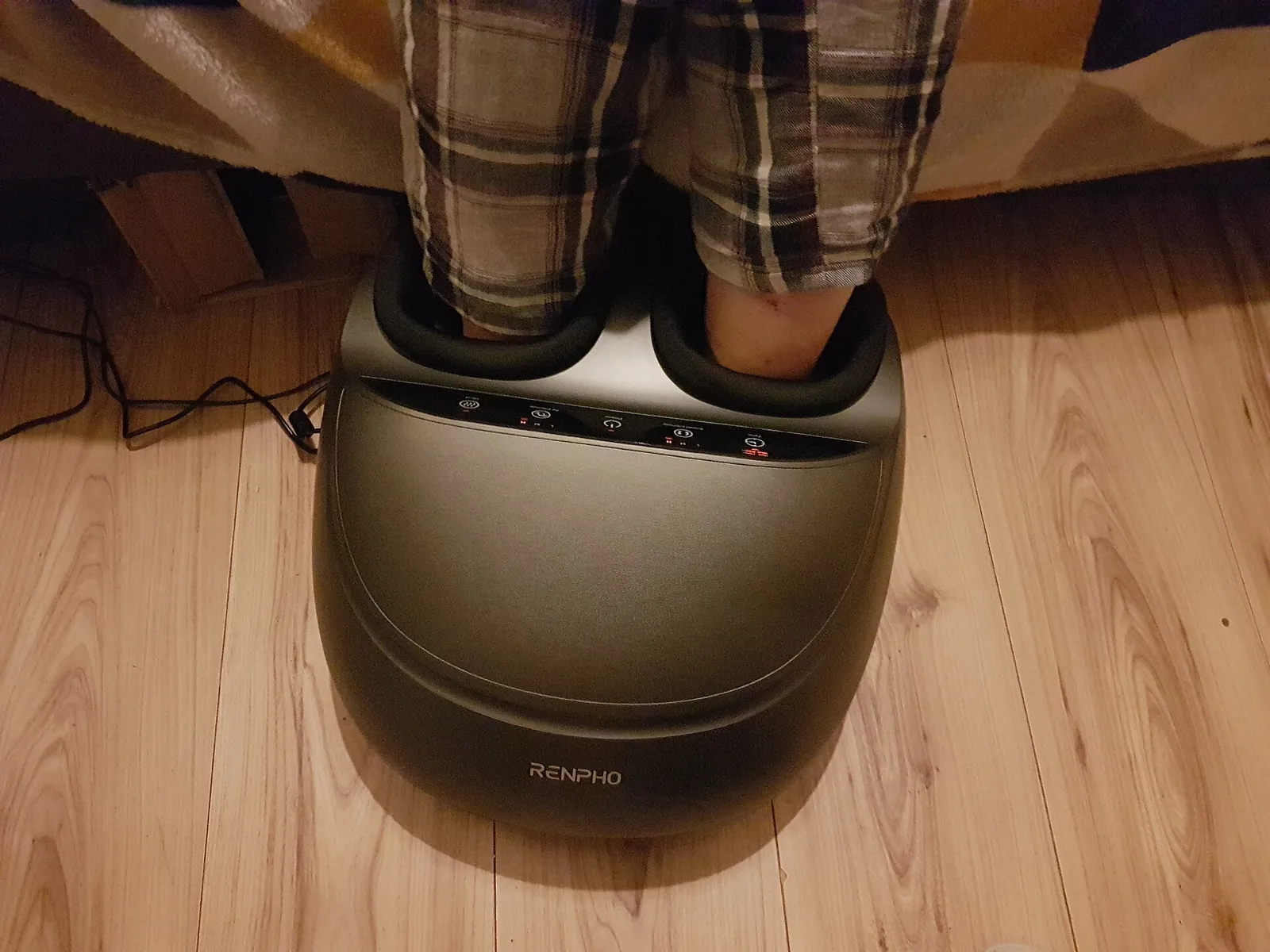
Trigger point therapy guide for office workers with foot strain
Unraveling the Knots: Defining Foot Strain and Trigger Points
The modern office environment, characterized by its climate-controlled stillness and ergonomic chairs, presents a paradoxical threat to the human foot. While we might assume the danger lies in the marathon runner’s stride, it is often the sedentary marathon—hours of immobility punctuated by short, stiff walks—that cultivates a specific kind of misery. This misery frequently manifests as foot strain, a dull ache or sharp tension that undermines the foundation of our physical structure. However, the pain felt in the sole or the arch is frequently not the origin of the problem, but rather the symptom of a dysfunction known as myofascial trigger points.
To understand this, one must look beyond the simple anatomy of bones and tendons. We must consider the fascia—the pervasive, thin layer of connective tissue that wraps around and interpenetrates every muscle, bone, nerve, and organ. When office workers remain in a fixed posture, such as sitting with feet plantar-flexed (pointed down) or dangling, the muscle fibers and their surrounding fascial sheaths can develop “taut bands.” Within these bands, hyperirritable spots called trigger points emerge. These are not merely sore muscles; they are distinct, palpable nodules that exist in a state of constant metabolic crisis. Unlike standard muscle soreness which is diffuse, a trigger point is a focal point of chaos. When compressed, these nodules produce a distinctive “twitch response” in the muscle and, crucially, can refer pain to areas seemingly distant from the source. For the desk-bound individual, the foot strain they feel after lunch might actually be a trigger point in the calf referring pain downward, or a latent point in the intrinsic foot muscles activated by the sudden transition from stillness to motion.The Mechanics of Misery: How Desk Life Creates Energy Crisis
Why does sitting still cause such active turmoil? The prevailing theory, often misunderstood as simple “muscle tension,” is actually rooted in a localized energy crisis at the cellular level. In the context of an office worker, the mechanism is insidious. It begins with the motor endplate—the junction where the nerve meets the muscle fiber. Under normal circumstances, this chemical exchange is tightly regulated. However, when a muscle is held in a shortened or static position for hours—a common occurrence for feet tucked under a chair—the synaptic machinery can malfunction.
The current physiological hypothesis suggests that these motor endplates begin to release excessive amounts of acetylcholine, the neurotransmitter responsible for signaling muscle contraction. This flood of chemicals causes a sustained contraction in a specific segment of the muscle fiber. This microscopic contraction effectively squeezes the local capillaries, shutting off the blood supply. Without blood flow, the area is starved of oxygen and glucose, while metabolic waste products like lactate and inflammatory cytokines accumulate. It is a vicious cycle: the lack of energy prevents the muscle from relaxing, and the constant contraction prevents the restoration of energy flow.
For the foot, this is compounded by the dynamics of office footwear and flooring. Hard surfaces, combined with shoes that elevate the heel or constrict the toes, alter the biomechanics of walking. Even the short walk to the breakroom can trigger these hypersensitive bundles. The muscle, already primed by the sedentary ischemia (lack of blood flow), reacts to the load with an exaggerated protective response. This phenomenon, known as “repetitive muscle flexion” in a compromised state, ensures that the trigger point not only forms but solidifies. The result is a foot that feels tired, heavy, or painful, not because it has walked too far, but because its internal communication system is jammed in a permanent “on” signal.Mapping the Terrain: Identifying Key Trigger Zones
Navigating the landscape of foot pain requires a shift in perspective. One must abandon the notion that pain equals damage at the site of sensation. For the office worker, the primary culprits are often the secondary muscles that support the foot’s architecture. The most common region for latent trigger points referring pain to the sole is the Gastrocnemius and Soleus muscles—the calf complex. A trigger point in the upper calf, for instance, often refers a spasm-like pain down to the arch or the heel, mimicking the symptoms of plantar fasciitis without the actual tissue inflammation of the fascia.
Furthermore, the intrinsic muscles of the foot—the small, intricate muscles lying between the metatarsal bones—are fertile ground for these points due to the constant micro-adjustments required to maintain balance while sitting or standing. Identifying these points involves a systematic search. A latent trigger point may not hurt until it is pressed; an active one sends a dull ache or sharp twinge even at rest. To locate them, one can use a simple exploratory technique: applying firm, focused pressure with a thumb or a blunt object along the muscle belly.
The sensation is distinct. You are not looking for the general soreness of a bruise; you are hunting for a “jump sign”—a physiological flinch or a sharp recognition that “that’s the spot.” In the foot, common referral patterns include pain in the heel (often from the Soleus), pain in the webbing of the toes (from the Flexor Digitorum Brevis), and a generalized ache across the arch. Recognizing these patterns is the first step in breaking the cycle. It transforms the pain from a mysterious, global affliction into a specific, localized mechanical failure that can be addressed. The office worker must learn to distinguish between the diffuse fatigue of a long day and the specific, radiating signature of a trigger point.The Protocol: Practical Relief Strategies at Your Desk
Armed with the knowledge of where the pain originates, the solution lies in disrupting the contracted tissue and restoring blood flow. The goal of trigger point therapy is not merely to relax the muscle, but to mechanically force the sarcomeres to release their grip. For the office worker, this does not require expensive equipment; it requires consistency and a specific approach to pressure.
The most effective tool for the foot is often a simple ball—a tennis ball, lacrosse ball, or specialized fascia ball. While seated at your desk, you can place the ball on the floor and roll your foot over it. However, mindless rolling is insufficient. One must locate the point of maximum tenderness—the trigger point—and sustain static pressure on it for 30 to 90 seconds. This ischemic pressure temporarily cuts off blood flow completely, and upon release, creates a “rush” of blood that flushes out the inflammatory byproducts and resets the motor endplate.
For the calf muscles, which heavily influence foot strain, a different approach is needed. Using a foam roller or the edge of a sturdy chair, apply broad pressure to the calf muscle. When you find a tender spot, stop rolling and hold. Flex and point your foot repeatedly while maintaining pressure to “strip” the muscle. This active engagement helps to separate the muscle fibers that have adhered together.
Additionally, manual stretching is vital, but only after the trigger point has been deactivated. Stretching a muscle with active trigger points can often worsen the condition by tearing the already taut fibers. The sequence is critical: release first, stretch second. Begin by massaging the arch of the foot with your thumbs, digging deep into the medial arch to search for knots. Follow this with a calf stretch against a wall, holding for at least 30 seconds to ensure the fascia, which is slower to react than muscle, has time to elongate. Integrating these micro-sessions into the workday—five minutes for every hour of sitting—can prevent the metabolic crisis from taking root.Beyond the Quick Fix: Long-Term Management and Avoiding Pitfalls
While the immediate relief of releasing a trigger point can be profound, relying solely on manual intervention is a reactive game. To truly banish foot strain, one must address the environmental factors that incubate these points. A common misconception is that trigger point therapy must be agonizing to be effective. This is false; excessive pressure can activate the body’s defense mechanisms, causing the muscle to tighten further in protection. The pressure should be “hurts so good,” a 7 out of 10 on the pain scale, never excruciating.
Another critical error is neglecting the postural habits of the upper body. Foot pain is frequently linked to the position of the hips and lower back. Sitting with a wallet in the back pocket or crossing the legs creates torsion in the lumbar spine, which alters nerve signals and tension patterns all the way down to the feet. Addressing foot strain, therefore, requires a holistic view of the workspace. Adjusting the chair height so that the feet rest flat on the floor, ensuring the hips are higher than the knees, and taking frequent “movement breaks” to reverse the effects of gravity are all essential components of the cure.
Finally, hydration plays a pivotal role. The fascia is a water-rich structure; dehydration makes it sticky and less pliable, increasing the likelihood of adhesions and trigger points. The office environment, often dry and air-conditioned, accelerates fluid loss. By increasing water intake and managing electrolyte balance, the tissues remain more resilient to the stresses of immobility. The journey to pain-free feet is not about finding a single silver bullet, but about disrupting the feedback loop of stress, tension, and ischemia that defines the modern office experience. It is a return to movement, a reclaiming of the body’s innate capacity to heal, one pressured knot at a time.