Category: Uncategorized

  • Vibrating vs regular roller

    Vibrating vs regular roller

    Okay fam, let’s get real for a sec. We’ve all been there. Legs feel like lead after a run, or maybe you just slept wrong and your back is screaming. You look at the foam roller in the corner. Then you see those fancy vibrating ones online. The price tag makes your eyes water. So, the big question. Is the buzzing one actually better? Or is it just a glorified gimmick to take our money? I dug deep into the research and spent weeks testing both. Here is the honest truth. No gatekeeping, just facts.
    【The Basics: What are we even talking about?】
    Let’s break it down super simple.
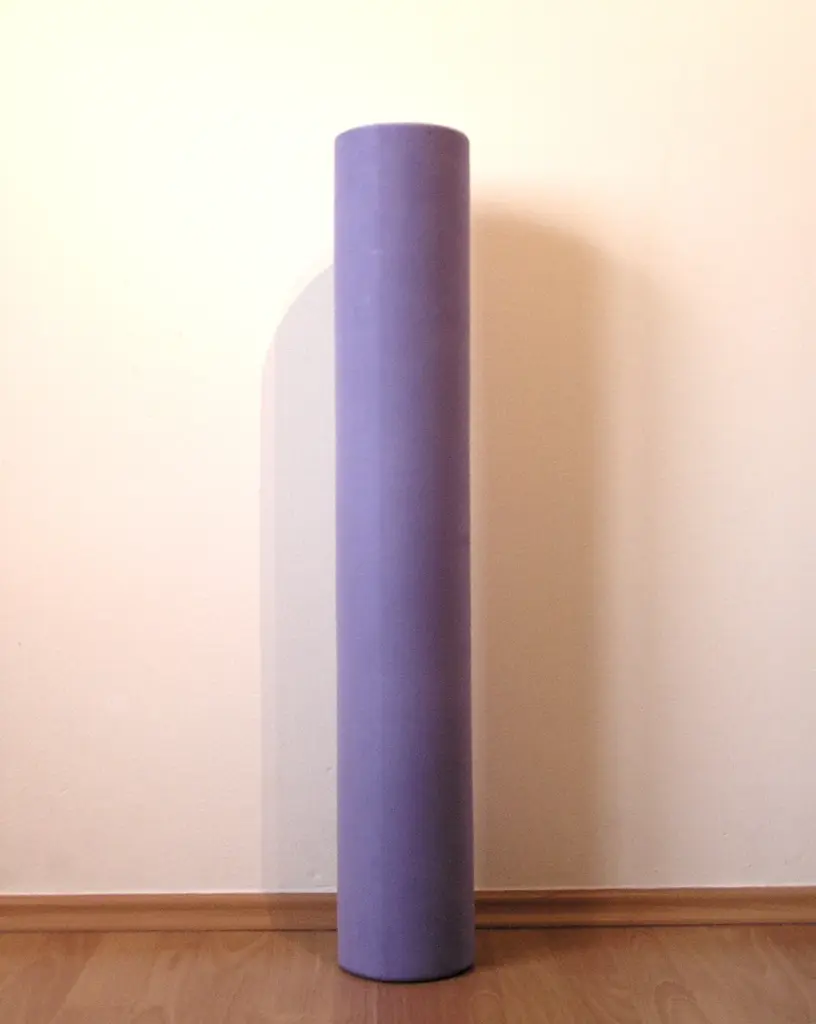
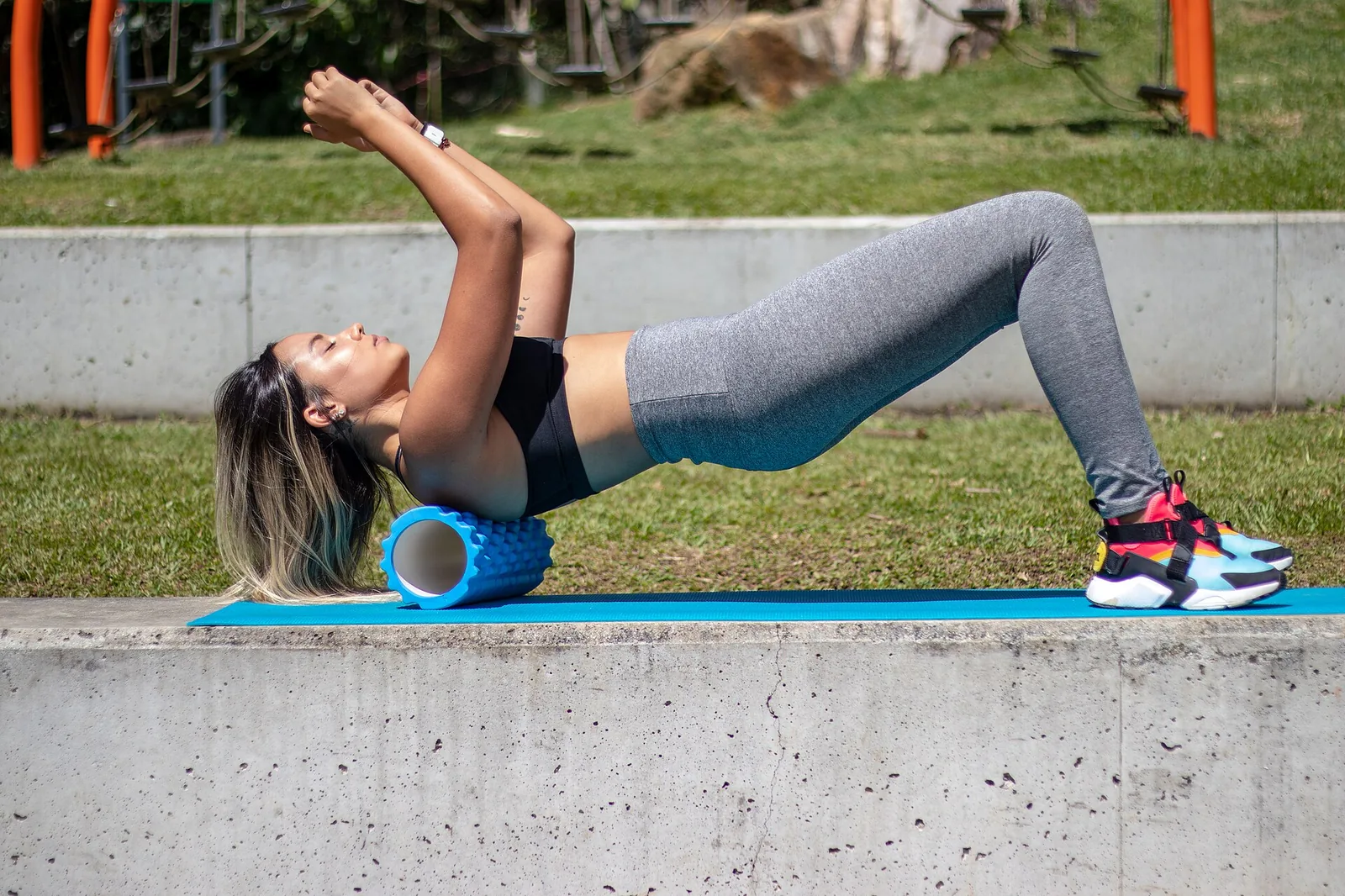
    Standard Foam Roller. This is the OG. It’s just a cylinder of foam. You use your body weight to apply pressure. You roll back and forth. It hurts so good. It uses manual pressure to release tension.
    Vibrating Foam Roller. This looks the same but has a motor inside. It buzzes. It vibrates at different speeds. The idea is the vibration does the work for you. It claims to relax muscles faster and deeper.
    Think of it like this. The standard one is a deep tissue massage. The vibrating one is like a massage gun combined with a roller.
    【The Science: Does the buzz actually work?】
    I didn’t just guess here. I looked at actual studies. There was a solid study published in the European Journal of Applied Physiology in 2021. They looked specifically at the quads. They compared vibrating rolling vs non-vibrating rolling.
    Here is what they found. The vibrating roller (VFR) had a distinct edge.
    1️⃣ Range of Motion (ROM). This is huge. The vibrating group showed better improvements in flexibility right away. If you can’t touch your toes, this might help you get there faster.
    2️⃣ Muscle Resistance. The vibration actually changed the mechanical properties of the muscle. It lowered the passive resistance. Meaning your muscles were less stiff. They were more pliable.
    3️⃣ Force Production. Interestingly, both rollers helped maintain muscle force. But the vibration one helped you move better without losing power.
    So yeah, the science backs it up. It’s not just snake oil. The vibration seems to trick your nervous system. It helps the muscle relax more than just pressure alone.
    【The Real Talk: How do they actually feel?】
    Science is great. But what does it feel like in real life? I used both for a month. Here is the tea.
    The Standard Roller Experience.
    It is painful. Like, grit your teeth painful. Especially on tight IT bands. You have to really work for it. You are constantly adjusting your body to find the right spot. It takes effort. But after? You feel loose. It feels like you earned the recovery.
    The Vibrating Roller Experience.
    This is a game changer. The buzz distracts your brain. It hurts, but in a different way. It’s more of a “good hurt.” You don’t have to press as hard. The vibration penetrates deep into the tissue. It feels like the knots are just melting away. It’s honestly kind of addictive. I found myself looking forward to rolling out. Which never happens with the standard one.
    【Who is the Standard Roller for?】
    Let’s not throw the baby out with the bathwater. The standard roller is still a beast. It’s perfect for certain people.
    ✅ Budget Queens. If you have $20 vs $150, the choice is made. A basic high-density roller works wonders.
    ✅ The “No Pain No Gain” Crowd. If you like that intense, gritty pressure, stick to manual. You can control the pressure 100%.
    ✅ Travelers. Standard rollers are lighter. No batteries to charge. No worrying about it buzzing in your suitcase.
    ✅ Beginners. It teaches you body awareness. You learn exactly where your trigger points are by feeling them manually.
    【Who needs to upgrade to Vibrating?】
    If you have the budget, this is a nice treat. But some people really need it.
    ✅ Sensitive Souls. If you bruise easily or hate pain, the vibration helps. It increases blood flow without you having to crush your muscles.
    ✅ Serious Runners. The study showed it helps with ROM and stiffness. If you are training for a marathon, every bit counts. Recovery is key.
    ✅ Older Adults. As we age, our tissues get stiffer. The vibration can help improve circulation without high impact.
    ✅ People with Chronic Tightness. If you foam roll every day and still feel tight, the vibration might reach what the pressure can’t.
    【The Downside: Let’s be honest】
    Nothing is perfect. Let’s look at the cons.
    Standard Roller Cons.
    ❌ It hurts. A lot.
    ❌ It can be ineffective if you lack upper body strength.
    ❌ It’s easy to give up because it’s uncomfortable.
    Vibrating Roller Cons.
    ❌ Pricey. Like, really pricey. Some cost over $200.
    ❌ Noisy. You can’t use it while watching TV without blasting the volume.
    ❌ Heavy. It’s a chunk of gear to lug around.
    ❌ Charging. Yet another device to plug in.
    【How to Choose: Your Decision Guide】
    Don’t overthink it. Ask yourself these three questions.

    1. What’s your budget?
      If money is tight, get a good textured roller. It does 80% of the work for 20% of the price.
    2. What’s your pain tolerance?
      Low pain? Go vibrating. High pain? Stick to standard.
    3. How serious are you?
      If you roll once a month, don’t buy the expensive one. If it’s part of your daily routine, invest in the vibe.
      【My Final Verdict】
      If you are just starting out. Get a standard roller. Learn to love the grind. It builds character. And it saves you money.
      If you are already hooked on rolling. And you have the cash. Upgrade to vibrating. The science is there. The relief is real. It makes recovery feel less like a chore and more like a spa treatment.
      I personally keep both now. I use the standard one for warm-ups. Quick, light rolling to get blood moving. I use the vibrating one after a long run. When my legs are destroyed. It saves my life.
      【Pro Tips for Rolling】
      No matter which one you pick, don’t do it wrong.
      · Don’t roll directly on joints. Stick to muscle belly.
      · Don’t roll your lower back. It can mess up your spine. Use a ball for that.
      · Slow down. Rolling fast does nothing. Take your time on each spot.
      · Hydrate. Rolling pushes toxins out. Drink water to flush them.
      So there you have it. The vibrating vs regular roller debate. Settled.
      Which one are you team? Are you a vibration convert or a traditional roller die-hard? Let me know in the comments! 👇👇👇
  • Heated eye massager help

    Heated eye massager help

    Defining the Heated Eye Massager Experience

    Imagine a device that doesn’t just sit on your face but actively engages the ocular muscles and surrounding tissue through a combination of targeted thermotherapy and rhythmic compression. This, in essence, is the modern heated eye massager. It is not merely a sleep mask; it is a wellness gadget designed to mitigate the physiological toll of modern life—specifically, the relentless staring at screens that characterizes our daily existence. At its core, the device utilizes heat, vibration, and air pressure to simulate a massage, aiming to alleviate the tension that builds up in the orbicularis oculi muscle and the delicate areas surrounding the eyes.
    The utility of these devices goes beyond simple relaxation. For many, they represent a frontline defense against the discomfort of dry eye syndrome and the fatigue associated with prolonged visual focus. The market is saturated with variations, some featuring Bluetooth speakers for guided meditation, others incorporating red light therapy, but the fundamental value proposition remains consistent: the delivery of soothing heat and pressure to reset the visual system. It is a convergence of spa-grade luxury and therapeutic necessity, packaged in a portable, often futuristic-looking visor. Understanding this requires looking past the gadgetry and seeing it as a tool for ocular rehabilitation and stress management.

    How Heat Therapy Biologically Unblocks Relief

    The biological rationale behind these massagers is rooted in the anatomy of the tear film and the Meibomian glands. These glands, located within the eyelids, are responsible for secreting oils that prevent tears from evaporating too quickly. When we stare at screens, our blink rate decreases dramatically, leading to stagnation and thickening of these oils. This blockage results in the gritty, sandy sensation known as dry eye. Here, the application of heat is not just comforting; it is functional. By raising the temperature of the eyelid skin to a specific therapeutic range—typically between 104°F and 113°F (40°C–45°C)—the hardened oils liquefy, allowing the glands to express themselves more freely when the massager’s compression mechanism pulses against the lid.
    Furthermore, the heat induces vasodilation. The blood vessels surrounding the eyes dilate, improving circulation and flushing out metabolic waste products that accumulate during periods of intense focus. This increased blood flow brings fresh oxygen and nutrients to the overworked ocular muscles, helping to dissolve the knots of tension that contribute to headaches. It is a cascade of physiological responses: heat melts the stasis, compression aids the expression, and improved circulation restores homeostasis. The vibration component adds another layer, distracting the nervous system from pain signals and further relaxing the muscle fibers. It is a multi-sensory approach to resetting the eye’s delicate biomechanical environment.

    Critical Features to Evaluate Before Buying

    Navigating the specifications of an eye massager requires a discerning eye, as not all heat is created equal. The most critical metric is the temperature control mechanism. Cheap devices often rely on simple resistive heating that can spike to dangerous levels, risking thermal injury to the cornea or the delicate skin of the eyelids. A high-quality unit will maintain a steady, optimal temperature, usually offering adjustable settings to cater to individual sensitivity. Look for “constant temperature” technology or smart sensors that regulate the heat output, ensuring it stays within that therapeutic safety zone without overheating.
    Fit and adjustability are equally paramount. Because these devices rely on compression, a poor fit can render the massage ineffective or, worse, uncomfortable. An adjustable strap is a must, but the internal structure matters too—does it accommodate different face shapes? A device that pinches the nose or presses too hard on the temples will quickly be abandoned. Additionally, consider the weight. A heavy unit might slip down or cause neck strain during use. Material quality is another subtle but vital factor; breathable, hypoallergenic fabrics that can be wiped down or removed for washing are essential for hygiene, especially since the device is in direct contact with areas prone to bacteria transfer. Finally, assess the noise level; a motor that sounds like a jet engine will shatter any attempt at relaxation, negating the stress-relieving benefits.

    Real-World Scenarios Where Devices Shine

    The practical application of heated eye massagers spans a variety of contexts, making them a versatile addition to a wellness routine. For the corporate warrior glued to spreadsheets for eight hours a day, a fifteen-minute session with the device can act as a hard reset for the eyes, significantly reducing the blurry vision and soreness that typically set in by mid-afternoon. It serves as a proactive measure against Computer Vision Syndrome, creating a boundary between work and rest. Similarly, for students engaged in intense study sessions, the rhythmic pulsing can help maintain cognitive endurance by reducing the physical distraction of eye strain.
    Beyond the office or library, these devices find a place in the bedroom as a sleep aid. The combination of darkness (most block out light completely), warmth, and gentle massage creates an environment conducive to falling asleep. The physical relaxation of the facial muscles signals the parasympathetic nervous system to take over, lowering heart rate and preparing the body for rest. For those suffering from insomnia related to anxiety or physical tension, the routine of putting on the mask can become a Pavlovian trigger for sleep. Furthermore, individuals with mild Meibomian Gland Dysfunction (MGD) often use these devices as a supplementary treatment to maintain gland health between professional eye doctor visits, finding relief that artificial tears alone cannot provide.

    Common Pitfalls and When to Skip the Gadget

    Despite the benefits, heated eye massagers are not a universal cure-all, and there are specific scenarios where they should be avoided. The most significant red flag is the presence of an active eye infection. Conditions like conjunctivitis (pink eye), styes, or any inflammation involving the cornea can be exacerbated by heat and pressure. Applying warmth to an infected area can encourage bacterial growth and spread the infection, while the physical manipulation of the eyelid can rupture a stye or cause further irritation. If your eyes are red, swollen, or discharging pus, this is a time for cold compresses and medical intervention, not a heated massage.
    Moreover, individuals recovering from eye surgeries, such as LASIK or cataract removal, must adhere strictly to their doctor’s post-operative care protocols, which typically prohibit mechanical pressure on the eye for a set period. There is also a subset of users with specific conditions like diabetic retinopathy or severe glaucoma who should consult a specialist before using these devices. The increase in ocular blood flow caused by the heat could theoretically affect intraocular pressure, which is a critical concern for glaucoma patients. Finally, reliance on the device as a substitute for professional medical advice is a dangerous pitfall. While it can manage symptoms, it does not treat the underlying causes of chronic dry eye or vision deterioration. If symptoms persist despite regular use, the device is not the solution—comprehensive ophthalmic care is.

  • TENS for stiff shoulders

    TENS for stiff shoulders

    Setting the Stage for Relief

    Before you even peel the adhesive backing off those electrodes, pause for a moment. The environment in which you use a TENS (Transcutaneous Electrical Nerve Stimulation) unit plays a surprisingly pivotal role in its efficacy. You aren’t just turning on a machine; you’re initiating a physiological protocol. Ensure you’re seated in a position that doesn’t add strain to the very areas you’re trying to relax. A slouchy couch might feel good initially, but if it forces your neck into a forward-head posture, you’re fighting against gravity while the electricity fights against your pain.
    Cleanliness is non-negotiable here. We aren’t talking about a surgical scrub, but the skin surface must be free of oils, lotions, and dead skin cells. A quick wipe with an alcohol pad or a soapy washcloth, followed by thorough drying, drastically reduces impedance. Why does that matter? Because high impedance means the current has to work harder to penetrate, leading to a “stinging” sensation at the contact points rather than a deep, soothing buzz within the muscle tissue. If you have excessive hair in the target area, trimming it slightly can help the pads adhere better and conduct more evenly, though shaving isn’t strictly necessary unless the hair is so dense it prevents the pad from touching the skin.
    Check your device battery. A fading battery doesn’t just mean the session will cut short; it causes the output to drift. The amplitude might fluctuate, turning a steady therapeutic pulse into an erratic, uncomfortable twitch. Fresh batteries or a full charge ensure a consistent waveform, which is crucial for the “Gate Control Theory” of pain management to actually kick in. Have a glass of water nearby. Hydration isn’t often mentioned in TENS manuals, but well-hydrated tissue conducts electricity better than dehydrated tissue. Think of your muscles as sponges; a dry sponge doesn’t pass signals as effectively as a wet one.

    Mastering the Topography of Pain

    Here is where most people get it wrong: they treat the shoulder like a single, monolithic slab of meat. It isn’t. The shoulder girdle is a complex intersection of traps, deltoids, and rotator cuff muscles, each with its own fiber direction. Placing electrodes randomly is like throwing darts in the dark; you might get lucky, but odds are you’ll miss the bullseye.
    For the classic “tech neck” stiffness—that tight band right above the shoulder blade—you want to target the Upper Trapezius. Visualize the muscle running from the base of your skull down to your collarbone. The most effective placement here is often a vertical arrangement. Place one electrode pad about one finger-width above the collarbone, halfway between the neck and the shoulder joint. Place the second pad directly above it, perhaps two to three inches higher, along that same muscle line. This setup encourages the current to run parallel to the muscle fibers, often yielding a more comfortable, comprehensive contraction or sensation.
    If your pain is more localized to the side of the neck or the “pivot point” where the neck meets the shoulder, you might try a horizontal arrangement. Place one pad on the side of the neck (being careful to stay off the carotid artery and the front of the throat) and the second pad on the top of the shoulder, right over that knotted muscle. This creates a current flow that cuts across the grain of the tension, which can sometimes be more effective for breaking up specific trigger points.
    For the deep, aching stiffness in the actual shoulder joint or the rear deltoid, you need to shift your geography. Place one pad on the front of the shoulder (just below the clavicle, avoiding the sensitive armpit area) and the other on the back of the shoulder, over the posterior deltoid. This “sandwich” technique drives the current through the joint capsule itself. Remember, the goal isn’t to make the muscle flop around like a fish out of water—unless you are specifically doing a high-intensity session for muscle rehab. For stiffness relief, the sensation should be strong but manageable, a buzzing warmth that overrides the pain signals.

    Dialing in the Sensation

    Turning the knobs isn’t just about “more is better.” It’s about finding the specific frequency that speaks to your nervous system. TENS units generally operate on two distinct wavelengths, and confusing them is a common rookie mistake.
    High-frequency stimulation (often labeled as “Conventional” or settings above 50 Hz, usually 80-100 Hz) is your go-to for immediate, superficial relief. This works by flooding the neural pathways with non-painful data. According to the Gate Control Theory, these fast signals race up the spinal cord to the brain faster than the pain signals do, effectively closing the “gate” on the stiffness messages. It feels like a rapid, tingling vibration. The intensity should be high enough to feel strong and buzzing, but not so high that it causes your muscles to twitch rhythmically. You are looking for sensory dominance here, not motor contraction.
    Conversely, low-frequency stimulation (often labeled “Acu-like” or settings below 10 Hz) is a different beast entirely. This relies on triggering the release of your body’s endogenous opioids—endorphins and enkephalins. It feels different: slower, pulsing, and deeper. It might actually cause visible muscle twitches. This setting doesn’t usually provide instant gratification. The pain relief from low-frequency TENS is cumulative and often outlasts the treatment session, sometimes providing relief for hours after you take the pads off. It’s particularly useful for that deep, aching stiffness that seems to radiate from the bone.
    The pulse width (duration) matters too. A wider pulse width (200 microseconds or more) feels “deeper” and can be uncomfortable at lower amplitudes, while a narrower pulse width (50-100 microseconds) feels more “surface-level” and sharp. If you are new to this, start with a moderate pulse width (around 150-200us) and a frequency around 80-100Hz. Ramp up the intensity slowly. Let your body acclimate to the sensation. If you feel sharp, biting pain right under the pad, stop immediately. That usually means the contact is poor or the intensity is too high for that specific spot. Adjust, re-wet the pads if they’ve dried out, and try again.

    Avoiding Common Traps

    Now, let’s talk about the “don’ts”—the mistakes that turn a therapeutic session into a regrettable experience. The most critical safety rule involves the anatomy of the neck. Never, under any circumstances, place electrodes on the anterior (front) of the neck, specifically over the carotid arteries or the vagus nerve. Stimulating these areas can lead to a dangerous drop in blood pressure or even laryngeal spasms. Keep the pads posterior (back) or lateral (side), but strictly away from the windpipe and the pulse points on the front of the neck.
    Another frequent error is keeping the pads on for too long. While TENS is generally safe, leaving the electrodes in one spot for hours on end can cause skin irritation or even minor burns due to the prolonged electrical impedance. A good rule of thumb is to keep sessions between 15 and 30 minutes. If you want to do more, take a break. Remove the pads, let your skin breathe for an hour or two, then reapply them in a slightly different location if you need to treat a large area.
    Don’t drive or operate heavy machinery while using a TENS unit, especially if you are using a higher intensity that causes muscle twitches. An unexpected spasm in your shoulder could jerk the steering wheel. It sounds like common sense, but people often underestimate how distracting the sensation can be. Also, avoid falling asleep with the unit running. You might roll onto the control unit, accidentally cranking the intensity to maximum, and wake up in agony.
    Pregnant women should exercise extreme caution. While TENS is often used during labor for back pain, placing electrodes anywhere near the abdomen or the lower-to-mid spine during early pregnancy is generally contraindicated without a doctor’s specific approval. The effects of the electrical currents on fetal development are not fully mapped, so why take the risk? Similarly, if you have a pacemaker or an implanted defibrillator, TENS is usually a hard no. The electrical interference could disrupt the device’s rhythm management, which is a life-threatening scenario.

    Assessing the Outcome

    How do you know if it’s actually working? This isn’t always straightforward. Sometimes, the relief is instantaneous—the stiffness simply melts away as the gate control mechanism kicks in. Other times, especially with low-frequency settings, the relief is subtle. You might finish a session, take the pads off, and go about your day, only to realize an hour later that you haven’t rubbed your shoulder or winced when reaching for a cup of coffee.
    Keep a pain journal. It sounds tedious, but it’s the only way to objectively track what works. Rate your stiffness on a scale of 1-10 before you start. Note the settings you used (frequency, pulse width, intensity placement). Then, rate it again 30 minutes after the session, and then again the next morning. You might find that the “Conventional” high-frequency mode gives you an hour of relief, while the “Acu-like” low-frequency mode gives you four hours of relief but takes an hour to kick in. Knowing your own physiology allows you to customize the protocol.
    If you aren’t seeing results, don’t just crank up the voltage blindly. Re-evaluate your placement. Are you actually targeting the muscle belly, or are you on a tendon or bone? Electricity doesn’t conduct well through bone; it just hurts. Move the pads an inch to the left or right. Try changing the angle. Switch from a parallel placement to a cross-pattern. The body is dynamic; what works on Tuesday might not work on Thursday because the tension has shifted.
    Ultimately, TENS is a tool, not a cure. It is a highly effective way to manage the symptoms of stiff shoulders and interrupt the cycle of pain and muscle guarding, but it works best as part of a broader strategy. Combine it with stretching, heat therapy, and ergonomic adjustments to your workspace. Use the TENS to quiet the noise so you can do the work of actually fixing the underlying mechanics. When used correctly—respecting the anatomy, understanding the settings, and avoiding the pitfalls—it’s like having a reset button for your upper body, right there in your pocket.

  • Fix tech neck at home

    Fix tech neck at home

    What Tech Neck Actually Is

    Tech neck isn’t just a catchy buzzword for fitness magazines. It is a physical load issue. When you look down at a phone or slouch toward a laptop screen, the weight of your head shifts forward.
    Your head weighs about 10 to 12 pounds in a neutral position. For every inch it tilts forward, the pressure on your cervical spine doubles. It feels heavy because it is heavy. The muscles in your upper back and neck have to work overtime just to keep your chin from hitting your chest.
    This isn’t just about bad posture. It is a repetitive strain injury. You do it for hours. Kids and teenagers spend an estimated 5 to 7 hours a day on smartphones. Adults often match that for work, then add more screen time for entertainment at home. The tissue never gets a chance to recover.

    The Mechanics of the Slump

    The problem starts with the position but lives in the tissue. When you hunch forward, the muscles in the front of your neck—your deep neck flexors—get stretched out and weak. They stop doing their job.
    Meanwhile, the muscles in the back—your upper trapezius and levator scapulae—have to lock down to prevent your head from falling further. They are constantly contracting. They become ischemic, meaning blood flow is restricted because the muscle is so tight. Metabolic waste builds up. That’s the stiffness you feel halfway through the workday.
    It creates a imbalance. The front is too long and weak. The back is short, tight, and angry. If you just try to “stand up straight,” those weak front muscles can’t hold the position. You slouch back down within minutes because the tight back muscles pull you back into the familiar pattern.

    Finding the Knots

    You don’t need a doctor to diagnose this. You can feel it. The most common symptom is a dull ache at the base of the skull or right on top of the shoulders. But the real giveaway is the trigger points.
    Run your fingers along the top of your shoulder blade, right where it meets the neck. Feel around for a spot that feels like a hard pea or a piece of gristle under the skin. Press on it. If it sends a shooting pain up your neck or down your arm, or if it makes you wince, that’s a trigger point.
    These are hyper-irritable spots in the fascia surrounding the muscle. They are essentially stuck muscle fibers that have bunched together. They restrict blood flow and cause pain even when you aren’t moving. Ignoring them doesn’t work. They tend to get harder and more stubborn over time.

    The Ball and The Wall

    You can pay a massage therapist, or you can do this yourself. A lacrosse ball is the best tool for the job. It is firm, rubbery, and doesn’t compress much under weight.
    Find a doorframe or a clear wall. Place the ball between the wall and the meaty part of your shoulder, right on that trigger point you found earlier. Lean into it. It will hurt.
    Start with your body weight off the ball, using your legs to control the pressure. Roll around slightly until you find the exact epicenter of the knot. Once you have it, stop moving. Just lean into it. Take a deep breath. As you exhale, lean a little harder.
    Hold it for 30 to 60 seconds. The pain should start to subside or change to a duller sensation. That is the muscle releasing. Move the ball an inch higher or lower and repeat. Do this for two or three minutes per side.
    Don’t roll around frantically. Friction creates inflammation. You want sustained pressure to melt the adhesion. It shouldn’t be torture, but it shouldn’t feel like a Swedish massage either.

    Fixing the Workspace

    Ergonomics experts love to sell thousand-dollar chairs. You probably don’t need one. You need to change your geometry.
    The biggest issue with most home setups is the monitor height. If you are looking down at a laptop screen on a table, your neck is under constant tension. Raise the screen. Stack books under the laptop. Buy a cheap stand. Whatever it takes to get the top of the monitor at or slightly below eye level.
    When you look straight ahead, your neck muscles can relax. When you look down thirty degrees, they are engaging.
    Your elbows should be bent at ninety degrees, resting close to your body. If your keyboard is too far away, you will reach. Reaching causes the shoulders to round forward, which tightens the chest and pulls the neck forward. Pull the keyboard closer.

    Why Stretching Isn’t Enough

    Most people feel pain, so they stretch. They pull their head to the side. They roll their necks in circles. It feels good for a minute. Then the pain comes back.
    Stretching lengthens the muscle, but it doesn’t fix the weakness. You are taking a muscle that is already tired and overstretched in the front and pulling it more. You are taking a muscle in the back that is knotted and pulling it, but the knot remains.
    You need to strengthen the front. The chin tuck is the antidote to tech neck.
    Sit or stand with your back against a wall. Look straight ahead. Pull your chin straight back as if you are trying to make a double chin, but keep your eyes level. Don’t look down. You should feel a gentle contraction deep in the front of your neck.
    Hold it for five seconds. Release. Do ten reps. It feels awkward and looks silly. It is also incredibly difficult if those muscles are deconditioned. Do this three times a day. It retrains the body on where a “neutral” head position actually feels like.

    Building a Sustainable Routine

    You cannot fix this with one session of ball rolling. You are fighting gravity and your own habits.
    Set a timer. Every hour, stand up. Reset your posture. Do five chin tucks. Drink some water—the hydration helps the tissue quality.
    Be realistic about your habits. You aren’t going to stop looking at screens. But you can change how you look at them. Bring the phone up to eye level instead of dropping your head down to it.
    If the pain is sharp, shooting, or accompanied by numbness, stop. That is nerve involvement, and balls and walls won’t fix it. But for the dull, aching stiffness that defines the modern workday, pressure and posture are the cure. It takes five minutes. It costs the price of a lacrosse ball. It works.

  • Massage gun for DOMS

    Massage gun for DOMS

    Getting Ready to Fire

    You probably woke up today feeling like a truck hit you. That leg day seemed like a good idea three days ago. Now, walking down the stairs feels like a punishment. You grab the massage gun. You want the pain to stop. But if you just turn it on and start blasting your quads like a jackhammer, you might make it worse.
    First, check the battery. Nothing kills a recovery session faster than a dead device halfway through your calf. Find a spot where you can sit or lie down comfortably. You need to reach the sore muscles without straining your neck or back. If you have to twist your body weirdly to get the gun to your shoulder, don’t do it. You’ll just create a new injury.
    Plug in the attachment head. The ball fork is usually the safest bet for large muscle groups. The bullet head is for specific trigger points, but it’s aggressive. Save that for later. Make sure the head is locked in tight. You don’t want it flying off across the room.
    Take a look at your skin. If there’s a bruise, a cut, or varicose veins, put the gun down. You cannot use a massage gun there. Also, feel the area. Is it hot to the touch? Is the swelling bad? If yes, this isn’t the time. Ice it instead. Using a percussion massager on acute inflammation is like adding gasoline to a fire.

    The Routine

    Turn the device on. Start on the lowest setting. I don’t care how tough you are. If you crank it to max speed immediately, your muscles will tighten up to protect themselves. That defeats the purpose.
    Float the gun on the muscle. Let the head do the work. This isn’t a pressure test. You shouldn’t be digging the plastic into your skin. The new percussion guns, like the Theragun styles, pulse in and out. They stimulate the deep tissue by impacting it, not just by vibrating. Let the machine bounce off the muscle.
    Move slowly. One inch per second is a good rule of thumb. If you move too fast, you’re just sliding over the skin. If you stay in one spot too long, you can damage the tissue or nerves. Spend about 30 to 60 seconds per muscle group.
    Start by sweeping the larger areas around the pain. If your quads hurt, don’t go straight for the most painful knot. Work the sides of the thigh first. Get the blood moving. This improves circulation and warms up the fascia. Then, gradually work your way toward the sore spot.
    When you find a knot, hover over it. Breathe. It will hurt. Try to relax the muscle under the gun. This is the hardest part. Your brain wants to tense up. Don’t let it. Hold it there for another 15 seconds, then move on. You are looking for delayed onset muscle soreness relief, not torture.

    Where Not to Shoot

    There are places the gun should never go. The neck is risky. There are arteries and nerves there that don’t like high-speed impact. Stay away from the front of the neck completely. If you want to work on your traps, stay on the thick muscle above the shoulder blade.
    Don’t use it on your head. It sounds obvious, but people try. Don’t use it on your face or directly on the spine. Keep the attachments on the meaty parts of the body. Glutes, quads, hamstrings, calves. These are safe zones.
    Be careful around joints. You can get close to the knee, but don’t blast the kneecap. The tendons and ligaments there don’t have the same blood supply as muscles. They don’t recover the same way. Stick to the muscle belly.
    If you have a pacemaker or any implanted medical device, check with your doctor first. The vibration and electromagnetic waves can interfere with them. It’s rare, but better safe than sorry. Pregnant women should also skip using a massage gun for DOMS on the lower back and abdomen.

    When It Goes Wrong

    You pressed too hard. Now it feels burning instead of “hurts so good.” Stop. That burning sensation usually means nerve irritation or bruising. It means you were aggressive with the speed or the pressure.
    Sometimes the muscle feels worse the next day. It can happen. You might have broken up too much tissue at once. It creates more inflammation. In this case, rest. Hydrate. Use a heating pad to soothe the area instead of the gun.
    The gun is also making a rattling sound. If it’s knocking against bone or it’s loose, tighten the head. If you are using a cheap model, it might just be poorly made. If the motor smells like it’s overheating, turn it off. Let it cool down for twenty minutes. These motors need breaks, especially if you are using a massage gun for DOMS on large muscle groups like the back or glutes.
    Another common mistake is using it for too long. Ten minutes is plenty. If you spend twenty minutes on one quad, you aren’t helping. You’re just desensitizing the nerves. The area goes numb, and you lose the feedback that tells you if something is wrong.

    Checking the Results

    How do you know it worked? Wait an hour. Move the joint. Does it feel looser? Try to touch your toes. Is the range of motion better than before you started?
    The goal isn’t to eliminate all pain instantly. That’s not realistic. The goal is to reduce the tension so you can move normally. If you can walk without limping, the session was a success.
    Check for bruising the next morning. If there’s a big purple mark, you used too much pressure. Dial it back next time. The skin should look exactly the same as when you started.
    Using a massage gun for DOMS is about maintenance. It helps stimulate the lymph system and clears out metabolic waste. It helps you get back to the gym faster. Just remember: it’s a tool, not a magic wand. It works best when you combine it with stretching, good sleep, and enough water. If the pain persists for more than a few days, or if it’s sharp and shooting, put the gun away and see a professional. Sometimes, delayed onset muscle soreness relief requires more than just percussion.